
.jpeg)
Pembrolizumab/Cabozantinib shows encouraging preliminary efficacy in mRCC
The combination of pembrolizumab and cabozantinib produced promising initial efficacy and manageable toxicity in patients with metastatic renal cell carcinoma (mRCC), according to results from a Phase 1/2 trial (NCT03149822). The combination of pembrolizumab and cabozantinib has a similar safety profile to other immune checkpoint inhibitor and tyrosine kinase inhibitor combinations. The recommended phase 2 dose is standard for both drugs, and the combination of pembrolizumab and cabozantinib has shown encouraging responses in both treatment-naïve and pre-treated kidney cancer patients.
Among 38 patients evaluable for response, the overall response rate (ORR) was 65.8% (95% CI, 49.9%-78.8%), of which 78.6% were first-line and 58.3% second-line. Median progression-free survival (PFS) at a median follow-up of 23.5 months was 10.45 months (95% CI, 6.25-14.63). At this time point, the median overall survival (OS) was 30.81 months (95% CI, 24.2-not reached). The disease control rate (DCR) was 97.4% (95% CI, 86.5%-99.9%), and the median duration of response (DOR) was 8.3 months (interquartile range, 4.6-15.1). Overall, pembrolizumab plus cabozantinib was comparable to other available checkpoint inhibitor-tyrosine kinase inhibitor combinations in this patient population.
In the dose escalation part of Phase 1 of the trial, a standard 3+3 design was adopted; in the dose expansion part of Phase 2, a Simon 2-stage design was adopted. During the first course of treatment, patients are treated with an intravenous infusion of a fixed dose of 200 mg of pembrolizumab for up to 35 cycles per 21-day cycle. If the patient experiences disease progression after completing the first course of treatment, the patient can continue treatment with a second course of pembrolizumab for up to 17 additional cycles. In phases 1 and 2.2, patients can also continue to take pembrolizumab orally once a day at a dose of 40 mg once a day or 60 mg once a day (RP2D).
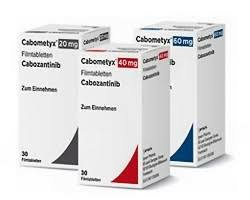
If the patient has clear cell or non-clear cell histologymRCC, with adequate organ function, ECOG performance status 0-1, and no prior exposure to pembrolizumab or cabozantinib were eligible. Investigators evaluated the primary endpoint of RP2D ORR and secondary endpoints of safety, DCR, DOR, PFS, and OS. 45 patients were enrolled between October 2017 and August 2020, including 8 stage 1 patients and 37 stage 2 patients. 1The trial was conducted at five sites within the University of Colorado/UCHealth system.
Forty patients treated inRP2D were evaluable for PFS and OS. Additionally, 38 patients were evaluable for response. Among all patients, 38 (84%) had clear cell renal cell carcinoma and 7 (16%) had nonclear cell renal cell carcinoma. A total of 4 patients (8.9%) had sarcomatoid differentiation, and 30 patients (67%) had previously received checkpoint inhibitors and/or VEGFR therapy. Additionally, the median age of all patients was 61 years (range, 54-69 years), and three patients were still receiving study treatment at the time of data analysis. Forty-two patients discontinued treatment due to disease progression (62%), adverse events (33%), or other reasons (5%).
In terms of safety, the most commonGrade 1 or 2 treatment-related adverse events (TRAEs) included diarrhea (71%), anorexia (62%), dysgeusia (62%), weight loss (62%), and nausea (6 0%), the most common grade 3/4 adverse events included hypertension (20%), hypophosphatemia (18%), and increased alanine aminotransferase (11%). Only one grade 5 TRAE was observed, which was reversible posterior encephalopathy syndrome and was related to cabozantinib treatment.
TRAEs leading to study discontinuation occurred in 14 patients, including immune-mediated pancreatitis, immune-mediated hepatitis, intolerable diarrhea, elevated liver function tests, immune-mediated myocarditis, immune-mediated nephritis, immune-mediated rash, reversible posterior leukoencephalopathy syndrome, venous thromboembolism and renal infarction, and osteonecrosis of the jaw. Additionally, 28 of 40 (70%) patients treated with RP2D required cabozantinib dose reduction at a median of 4 cycles (range, 1-38 cycles).
Treatment with pembrolizumab and cabozantinib in patients with metastatic renal cell carcinoma showed encouraging preliminary efficacy and manageable toxicity compared with other available immune checkpoint inhibitor-tyrosine kinase inhibitor combinations.
[ 免责声明 ] 本页面内容来自公开渠道(如FDA官网、Drugs官网、原研药厂官网等),仅供持有医疗专业资质的人员用于医学药学研究参考,不构成任何治疗建议或药品推荐。所涉药品可能未在中国大陆获批上市,不适用于中国境内销售和使用。如需治疗,请咨询正规医疗机构。本站不提供药品销售或代购服务。


