
.jpeg)
Platinib belongs to which generation in the development history of targeted drugs
Pralsetinib is a new generation of targeted drugs, belonging to the third generation. It has higher selectivity and stronger anti-tumor activity, and can inhibit multiple oncogenic signaling pathways at the same time, such as inhibiting RET fusion protein, which has important clinical significance for some patients with RET fusion protein-related tumors. With the advancement of science and technology and the deepening of research, it is believed that the development of targeted drugs in the future will further improve the treatment effect and patient survival rate.
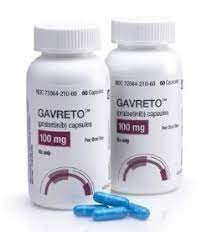
The development of the first generation of targeted drugs mainly inhibits the growth and spread of tumors by selectively interfering with receptors or signaling pathways on the surface of cancer cells. Representatives of these drugs include drugs that block the epidermal growth factor receptor (EGFR), such as gemcitabine (Gefitinib) and erlotinib (Erlotinib), which are used to treat non-small cell lung cancer. However, these drugs are less effective as tumor cells tend to develop drug resistance.
The research and development of second-generation targeted drugs is committed to more precisely intervening in the signaling pathways within cancer cells to achieve better therapeutic effects. For example, Imatinib (Imatinib) is the first BCR-ABL fusion gene tyrosine kinase inhibitor successfully used clinically for the treatment of chronic myelogenous leukemia. However, there remains the issue of some patients developing resistance to these drugs.
The development of third-generation targeted drugs aims to solve the problems of drug resistance and poor treatment efficacy. Platinib, as a representative of the third generation of targeted drugs, has higher selectivity and stronger anti-tumor activity. It can inhibit multiple oncogenic signaling pathways at the same time, such as inhibiting RET fusion protein. RET fusion protein is a common oncogenic driver that plays an important role in a variety of tumors. Platinib's inhibitory effect on RET fusion protein can effectively inhibit the growth and spread of tumors, thus improving the therapeutic effect.
[ 免责声明 ] 本页面内容来自公开渠道(如FDA官网、Drugs官网、原研药厂官网等),仅供持有医疗专业资质的人员用于医学药学研究参考,不构成任何治疗建议或药品推荐。所涉药品可能未在中国大陆获批上市,不适用于中国境内销售和使用。如需治疗,请咨询正规医疗机构。本站不提供药品销售或代购服务。


