
.jpeg)
Nivolumab effects and side effects
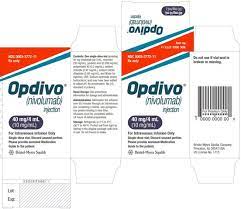
Nivolumab (Nivolumab) is an immune checkpoint inhibitor used to treat a variety of malignant tumors, including but not limited to advanced non-small cell lung cancer, melanoma, renal cell carcinoma, Hodgkin lymphoma, head and neck squamous cell carcinoma, etc. Its main mechanism of action is to enhance the body's immune response to tumors by blocking the PD-1 receptor on immune checkpoints, thereby inhibiting the growth and spread of cancer cells.
Effect:
1.Prolonged overall survival: Nivolumab treatment has shown significant effects in prolonging the overall survival of patients in multiple clinical trials. For example, in the treatment of advanced non-small cell lung cancer, melanoma, renal cell carcinoma and other cancer types, nivolumab can significantly extend the overall survival of patients compared with traditional chemotherapy.
2.Improvement of progression-free survival: In addition to overall survival, nivolumab can also significantly improve the progression-free survival of patients and delay the progression of the disease. Some clinical trials have shown that compared with traditional treatment, patients in the nivolumab treatment group have a significant advantage in progression-free survival.
3.Improve quality of life: Nivolumab treatment can also improve patients’ quality of life, reduce symptoms and discomfort, and improve daily life functions. This is mainly due to the ability of nivolumab to inhibit the growth and spread of tumors and reduce disease-related symptoms and complications.
Side effects:
1.Immune-related adverse reactions: The main side effects of nivolumab are immune-related adverse reactions, including rash, itching, fatigue, fever, joint pain, etc. These adverse reactions are often related to an overactive immune system and may affect the patient's quality of life.
2.Adverse reactions of the digestive system: Nivolumab treatment may also cause adverse reactions of the digestive system, such as nausea, vomiting, diarrhea, loss of appetite, etc. These adverse reactions are usually caused by damage to the intestinal mucosa.
3.Respiratory system adverse reactions: In rare cases, nivolumab treatment may cause respiratory system adverse reactions, such as cough, shortness of breath, etc. These adverse reactions are usually related to lung inflammation or interstitial lung disease.
4.Other adverse reactions: Nivolumab treatment may also cause headache, dizziness, infection and other adverse reactions. These adverse reactions occur less frequently, but still require the attention of patients and doctors.
Overall, nivolumab is an effective anticancer drug that can significantly improve survival and quality of life for patients with a variety of cancers. However, patients need to closely monitor and manage possible adverse reactions during treatment and adjust the treatment plan in a timely manner to ensure the safety and effectiveness of the treatment.
[ 免责声明 ] 本页面内容来自公开渠道(如FDA官网、Drugs官网、原研药厂官网等),仅供持有医疗专业资质的人员用于医学药学研究参考,不构成任何治疗建议或药品推荐。所涉药品可能未在中国大陆获批上市,不适用于中国境内销售和使用。如需治疗,请咨询正规医疗机构。本站不提供药品销售或代购服务。


