
.jpeg)
The latest medication guide for nivolumab! A must-read for patients before taking medication!
Nivolumab (Nivolumab) is an immune checkpoint inhibitor used to treat a variety of malignant tumors, including advanced non-small cell lung cancer, melanoma, renal cell carcinoma, Hodgkin lymphoma, head and neck squamous cell carcinoma, etc. The following is a dosing guide for nivolumab:
1. Patient selection and evaluation: Before deciding to treat with nivolumab, physicians need to conduct a thorough patient evaluation. The assessment content includes but is not limited to the patient's tumor type, disease severity, tumor stage, medical history, clinical manifestations, complications, immune status, liver and kidney function, etc.
2. Indications and dosage selection: Nivolumab is suitable for the treatment of a variety of malignant tumors, but the dosage and dosage regimen will vary depending on the disease type, condition and individual differences. The usual recommended dosage is intravenous injection every 2 weeks at a rate of 30 mg per minute.
3. Route and frequency of administration: Nivolumab is usually administered as an intravenous injection in a hospital or clinic by a professional medical professional. Before the injection, the doctor will evaluate the patient's physical condition and check for any contraindications.
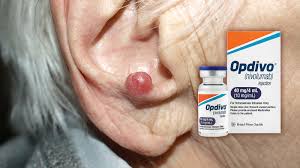
4. Treatment cycle and duration: The treatment cycle and duration of nivolumab depend on the patient’s condition and treatment response. Generally, patients need to receive consecutive treatment cycles until they reach the treatment goals preset by the doctor. Regular review and monitoring are required during treatment.
5. Management of adverse reactions: Nivolumab treatment may cause some adverse reactions, including immune-related rash, fatigue, fever, nausea, vomiting, etc. During the treatment process, patients need to pay close attention to their physical condition and report any symptoms of discomfort to the doctor in a timely manner. The doctor will adjust the treatment plan according to the patient's specific situation and provide corresponding support and treatment.
6. Prevent infections and complications: Because nivolumab may affect the function of the immune system, patients may be susceptible to infections during treatment. Doctors usually advise patients to take some preventive measures, such as avoiding contact with infectious sources and maintaining good personal hygiene habits. At the same time, patients also need to regularly monitor their immune function, as well as screen for and promptly handle possible complications.
7. Evaluation of treatment effect: During the period of receiving nivolumab treatment, doctors will regularly evaluate the patient's treatment effect and judge the efficacy of treatment based on clinical manifestations, imaging examinations, tumor markers and other indicators. Based on the evaluation results, the doctor will promptly adjust the treatment plan to achieve the best treatment effect.
8. Patient education and support: During the treatment process, doctors will provide relevant educational materials to patients to help them understand the mechanism of action, therapeutic effects, side effects and precautions of nivolumab. At the same time, doctors will also provide patients with necessary support and guidance to help them deal with various problems and troubles that may arise during treatment.
To sum up, the nivolumab medication guide covers many aspects such as patient selection and evaluation, indications and dosage selection, administration route and frequency, treatment cycle and duration, management of adverse reactions, prevention of infections and complications, evaluation of treatment effects, and patient education and support, aiming to ensure that patients obtain the best therapeutic effect and quality of life during treatment.
[ 免责声明 ] 本页面内容来自公开渠道(如FDA官网、Drugs官网、原研药厂官网等),仅供持有医疗专业资质的人员用于医学药学研究参考,不构成任何治疗建议或药品推荐。所涉药品可能未在中国大陆获批上市,不适用于中国境内销售和使用。如需治疗,请咨询正规医疗机构。本站不提供药品销售或代购服务。


