
.jpeg)
Is selinesol effective for myeloid leukemia?
Acute myeloid leukemia (AML) is the most common leukemia in adults, accounting for approximately 80% of all cases. Despite advances in treatment options, prognosis remains poor, especially in the elderly. Selinexor is the first oral, small molecule Exportin-1 inhibitor being developed to treat multiple cancers, including acute myeloid leukemia. The efficacy and safety of selinesol in the treatment of AML remain the focus of attention.
Many patients are unable to receive conventional intensive chemotherapy at the time of diagnosis due to existing or underlying acute myeloid leukemia comorbidities and frailty. The combination of venetoclax and azacitidine demonstrated a 64% improvement in clinical response rate and a median overall survival of 14.7 months. However, subgroup data showed no significant benefit in the Chinese population, low-risk patients, or patients with TP53 mutations. Therefore, managing AML in elderly or unhealthy patients remains a major challenge.
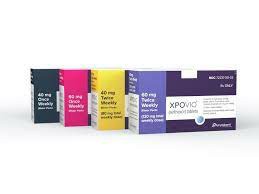
Preclinical studies have shown that selinesol is a selective nuclear export inhibitor with promising anticancer properties, particularly in acute myeloid leukemia (AML). Single-agent selinesol and combination therapies have been explored and have shown encouraging efficacy. Selinisol has shown good tolerability and clinical activity in AML patients in various Phase 1/2 trials. This suggests that selinesol may be a valuable treatment option for patients with AML. Additionally, a triplet regimen of selinesol, venetoclax, and azacitidine (SAV regimen) has shown promising results in the real world, particularly in patients with acute myeloid leukemia with severe comorbidities. This combination treatment has shown beneficial results, further supporting the potential of selinesol in the treatment of AML.
In this study, some subjects completed at least one cycle of treatment. Specifically, 1 patient completed 4 cycles, 2 patients completed 3 cycles, and 7 patients completed 2 cycles. The remaining 10 patients have just completed their first round of treatment and evaluation. All but one patient with progressive disease (PD) remain on treatment. As treatment continues, relief may deepen. The complete response (CR)/incomplete count recovery (CRi) rate and overall response rate (ORR) for all patients in the ELN 2022 risk group, intermediate risk group, and adverse risk group were as follows: 80% and 90%, 75% and 91.7%, 87.5% and 87.5%, respectively. In contrast, VIALE-A data showed a CR/CRi rate of 52.9% in adverse-risk patients, indicating the higher response rate observed in this study.
Overall, the clinical evidence suggests selinesol has promise as a treatment for acute myeloid leukemia, and may achieve encouraging results in combination with other drugs such as venetoclax and azacitidine. However, the use of the drug must be under the guidance of a doctor.
[ 免责声明 ] 本页面内容来自公开渠道(如FDA官网、Drugs官网、原研药厂官网等),仅供持有医疗专业资质的人员用于医学药学研究参考,不构成任何治疗建议或药品推荐。所涉药品可能未在中国大陆获批上市,不适用于中国境内销售和使用。如需治疗,请咨询正规医疗机构。本站不提供药品销售或代购服务。


