
.jpeg)
Is selinesol a Class C drug?
Selinexor (Selinexor) is an oral, selective nuclear export inhibitor used to treat cancers such as multiple myeloma and diffuse large B-cell lymphoma. However, there is no direct answer as to whether it is a Class C drug. Drugs are usually classified based on multiple factors such as their therapeutic effect, side effects, price, etc. Different countries and regions may also have different classification standards. In certain circumstances, selinexol may be considered a specialty or innovative drug, requiring special approval and regulation.
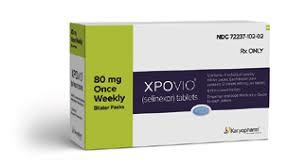
Selinesol is a small molecule inhibitor of nuclear export protein-1 (XPO 1), which blocks the transport of tumor suppressor proteins, oncoproteins, and growth regulators such as c-myc and cyclin D1 from the nucleus to the cytoplasm. This results in cell cycle arrest and apoptosis in cancer cells but not non-cancerous cells. Selinisol therapy was found to extend progression-free survival in patients with highly pretreated advanced, relapsed or refractory multiple myeloma. Selinisol was approved for use in the United States in 2019, and its indication is limited to adults with relapsed or refractory multiple myeloma after failure of at least 4 previous treatment regimens.
Selinesol is availablein 20, 40, 50 and 60 mg tablets under the brand name Xpovio. The recommended initial dose is 80 mg on days 1 and 3 of each week, with subsequent dose adjustments based on tolerance. Selinisol should be used in combination with dexamethasone with careful monitoring of side effects, platelet counts, and white blood cell counts. Common side effects include neutropenia, thrombocytopenia, anemia, nausea, vomiting, anorexia, weight loss, weakness, fatigue, hyponatremia, headache, dizziness, and confusion.
[ 免责声明 ] 本页面内容来自公开渠道(如FDA官网、Drugs官网、原研药厂官网等),仅供持有医疗专业资质的人员用于医学药学研究参考,不构成任何治疗建议或药品推荐。所涉药品可能未在中国大陆获批上市,不适用于中国境内销售和使用。如需治疗,请咨询正规医疗机构。本站不提供药品销售或代购服务。


