
.jpeg)
Difference Between Selinesol and Pomalidomide
Selinexor (Selinexor) and pomalidomide are two drugs used to treat multiple myeloma. They have the following differences in terms of their mechanism of action, usage, side effects and medication regimens.
1. Mechanism of action: Selinisol is a selective nuclear transport inhibitor that interferes with the normal transport process of proteins in the nucleus and prevents the normal function of important proteins in cancer cells, thereby inhibiting the growth and proliferation of cancer cells. Pomalidomide is an immunomodulator that treats multiple myeloma by regulating the activity of the immune system, inhibiting the growth of cancer cells and promoting the immune system's ability to attack cancer cells.
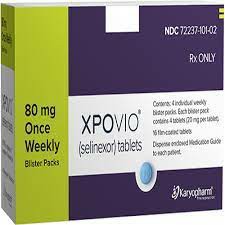
2. Usage: Selinisol is mainly suitable for patients with multiple myeloma and is used when other treatment options are ineffective or intolerable. It can be used alone or in combination with dexamethasone or Bortezomib. Pomalidomide is typically used in combination with lenalidomide in patients with multiple myeloma who have relapsed or been refractory to treatment after at least two lines of treatment.
3. Side effects: Common side effects of selinesol include nausea, vomiting, fatigue, loss of appetite, etc. In addition, it may cause blood-related adverse reactions such as thrombocytopenia and anemia. Common side effects of pomalidomide include anemia, fatigue, nausea, vomiting, etc. It may also cause deep vein thrombosis, infection, skin reactions, and more.
4. Combination therapy: The regimen based on selinesol has been proven effective in relapsed/refractory (R/R) MM. Previous studies reported that in patients with RRMM, selinesol (60 mg once weekly) combined with pomalidomide and dexamethasone had an objective response rate (ORR) of 65% and a median progression-free survival (PFS) of 10.9 months, compared with an ORR of 48.1% for XPD-40.
In summary, there are some differences between selinesol and pomalidomide in terms of mechanism of action, usage, side effects, and combined medication. Specific drug selection should be determined based on the physician's recommendations and the patient's specific circumstances.
[ 免责声明 ] 本页面内容来自公开渠道(如FDA官网、Drugs官网、原研药厂官网等),仅供持有医疗专业资质的人员用于医学药学研究参考,不构成任何治疗建议或药品推荐。所涉药品可能未在中国大陆获批上市,不适用于中国境内销售和使用。如需治疗,请咨询正规医疗机构。本站不提供药品销售或代购服务。


