
.jpeg)
The difference between giritinib and venetoclax
Gilteritinib and venetoclax are two different types of drugs used to treat different types of hematological tumors. Although they are all targeted therapeutic drugs, there are significant differences in their mechanisms of action, indications, drug metabolism, and adverse reactions.
1.Mechanism of action:
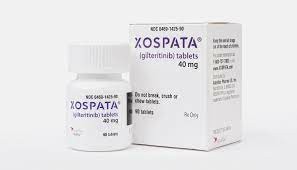
Giritinib (Gilteritinib): Gilitinib is a tyrosine kinase inhibitor mainly used to treat FLT3 mutation-positive acute myeloid leukemia (AML). Its mechanism of action is to block the proliferation and survival of leukemia cells by inhibiting the activity of FLT3 receptor kinase.
Venetoclax (Venetoclax): Venetoclax is a type of B cell lymphoma-2 (
2.Indications:
Gilteritinib (Gilteritinib): Gilitinib is mainly used to treat FLT3 mutation-positive AML, especially relapsed or refractory AML patients.
VenetoclaxVenetoclax): Venetoclax is mainly used to treat hematological tumors such as CLL and AML. For CLL patients, it is usually combined with antiCD20monoclonal antibodies, while for AML patients, it is usually combined with an apoptosis inducer (such as cytarabine) or a low-dose cytotoxic drug (such as cyclophosphamide).
3.Drug metabolism:
Giritinib (Gilteritinib): Gilitinib is mainly metabolized by the liver metabolizing enzyme CYP3A4, so there may be drug interactions with other drugs.
Venetoclax (Venetoclax): Venetoclax is mainly metabolized by the liver, and its metabolic pathways include CYP3A and CYP2C19. Concomitant use with inhibitors or inducers of CYP3A4 may affect the metabolism and plasma concentrations of venetoclax.
4.Adverse reactions:
Gilteritinib (Gilteritinib): Common adverse reactions of gilitinib include fatigue, nausea, vomiting, diarrhea, rash, etc. In addition, giritinib may cause adverse reactions such as QT interval prolongation and bone marrow suppression.
Venetoclax (Venetoclax): Common adverse reactions of venetoclax include nausea, diarrhea, fatigue, low platelet count, etc. In addition, because venetoclax can cause tumor lysis syndrome (TLS), patients need to closely monitor hematological indicators and take timely preventive measures during use.
Gilteritinib and venetoclax (Venetoclax) are two targeted therapies for different types of hematological tumors. Giritinib is mainly used for AML patients, especially FLT3 mutation-positive patients, while venetoclax is mainly used forCLL and AML and other patients. Although the two drugs are different in terms of mechanism of action, indications, drug metabolism and adverse reactions, they have both shown certain therapeutic effects in clinical practice and provide new treatment options for patients with hematological tumors. When selecting a treatment plan, doctors should consider various factors based on the patient's specific condition and treatment needs to select the most suitable drug treatment plan for the patient.
[ 免责声明 ] 本页面内容来自公开渠道(如FDA官网、Drugs官网、原研药厂官网等),仅供持有医疗专业资质的人员用于医学药学研究参考,不构成任何治疗建议或药品推荐。所涉药品可能未在中国大陆获批上市,不适用于中国境内销售和使用。如需治疗,请咨询正规医疗机构。本站不提供药品销售或代购服务。


