
.jpeg)
What is the difference between giritinib and sorafenib?
Gilteritinib and sorafenib are two drugs used for cancer treatment. Although they are similar in some aspects, they have obvious differences in their mechanisms of action, indications and therapeutic effects.
1.Mechanism of action:
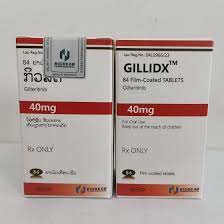
Giritinib (Gilteritinib): Gilitinib is an oral tyrosine kinase inhibitor mainly used to treat FLT3 mutation-positive acute myeloid leukemia (AML). Its mechanism of action is mainly to block the proliferation and survival of leukemia cells by inhibiting the activity of FLT3 receptor kinase. FLT3mutations are one of the most common types of mutations in AML patients and are often associated with poor prognosis and accelerated disease progression.
Sorafenib (Sorafenib): Sorafenib is a multi-target tyrosine kinase inhibitor used to treat many types of cancer, including liver cancer and thyroid cancer. Its mechanism of action includes inhibiting multiple targets, such as Rafkinase, VEGFR, PDGFR, etc., thereby inhibiting the proliferation, angiogenesis and metastasis of tumor cells.
2.Indications:
Giritinib (Gilteritinib): Gilitinib is mainly used to treat FLT3 mutation-positive acute myeloid leukemia (AML). This type of AML is often insensitive to traditional chemotherapy, so specific targeted therapies are needed to control disease progression.
Sorafenib (Sorafenib): Sorafenib is used to treat primary liver cancer and advanced metastatic renal cell carcinoma (RCC), as well as unresectable, locally advanced or metastatic thyroid cancer. In addition, sorafenib is also used to treat other types of cancer, such as malignant melanoma and pancreatic cancer.
3.Treatment effect:
Gilteritinib (Gilteritinib): The clinical trial results of gilitinib showed that in FLT3 mutation-positive AML patients, the overall survival rate of the gilitinib treatment group was improved compared with the control group. It can extend patient survival, reduce disease recurrence, and improve the prognosis of AML patients.
Sorafenib (Sorafenib): Sorafenib has shown certain efficacy in the treatment of cancers such as liver cancer and renal cell carcinoma. For patients with liver cancer, sorafenib can significantly prolong progression-free survival (PFS) and overall survival (OS), and can be used as a first-line treatment for advanced renal cell carcinoma.
4.Drug metabolism and adverse reactions:
Giritinib (Gilteritinib): Gilitinib is mainly metabolized by the liver metabolizing enzyme CYP3A4 and may have drug interactions with other drugs. Common adverse reactions include fatigue, nausea, vomiting, diarrhea, rash, etc.
Sorafenib (Sorafenib): Sorafenib is also mainly metabolized by the liver, but the metabolic pathway is slightly different from that of giritinib. Common adverse reactions include hand-foot syndrome, rash, diarrhea, fatigue, hypertension, etc.
Gilteritinib and sorafenib are two different types of anti-cancer drugs used to treat different types of cancer. Giritinib is mainly used for AML patients, especially FLT3Mutation-positive patients, while sorafenib is mainly used to treat various cancers such as liver cancer and renal cell carcinoma. Although the two drugs have differences in their mechanisms of action, indications, and adverse reactions, they have both shown certain therapeutic effects in clinical practice and provided new treatment options for cancer patients. When choosing drug treatment, patients should choose the most suitable treatment plan based on their own condition and the doctor's advice.
[ 免责声明 ] 本页面内容来自公开渠道(如FDA官网、Drugs官网、原研药厂官网等),仅供持有医疗专业资质的人员用于医学药学研究参考,不构成任何治疗建议或药品推荐。所涉药品可能未在中国大陆获批上市,不适用于中国境内销售和使用。如需治疗,请咨询正规医疗机构。本站不提供药品销售或代购服务。


