
.jpeg)
Dosage of the leukemia targeted drug gilitinib
Gilitinib is a targeted therapy drug used to treat FLT3 mutation-positive acute myeloid leukemia (AML). The following will introduce the usage and dosage of giritinib in detail, including the drug’s dosage form, taking time, dosage adjustment, and possible adverse reactions.
1.Pharmaceutical dosage form:
Giritinib is usually supplied as oral tablets, each tablet containing a specified dose of giritinib. Patients can purchase the corresponding dose of the drug according to the doctor's prescription.
2.Usage and dosage:
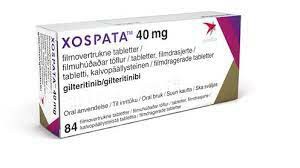
Dose: The recommended starting dose of gilitinib is 120 mg (mg) taken orally once daily. This dose can be used continuously for 28 days to form a treatment cycle. During treatment, the doctor may make dosage adjustments based on the patient's condition and tolerance.
Taking time: Giritinib is usually recommended to be taken after meals to reduce the occurrence of gastrointestinal adverse reactions. Patients can choose to take it at any time after breakfast, lunch or dinner.
Dose adjustment: During the treatment process, the doctor may make dosage adjustments based on the patient's specific conditions. For example, doctors may suspend treatment or reduce the dose if a patient experiences serious adverse effects or decreases in drug tolerance. Additionally, the dose of giritinib may need to be adjusted in patients with impaired hepatic function.
Treatment cycle: Giritinib is usually used in a 28 day treatment cycle. Patients receive oral giritinib continuously during one cycle and are then evaluated before the start of the next cycle to determine if dose adjustment or continuation of treatment is needed.
Continuous treatment: During the treatment period, patients need to continue taking giritinib according to the doctor's advice. Even if symptoms improve, you should not stop taking the medication or adjust the dosage on your own, but should strictly follow your doctor's instructions.
3.Adverse reactions:
Common adverse reactions of giritinib include but are not limited to:
Common adverse reactions of giritinib include fatigue, nausea, vomiting, diarrhea, rash, dizziness, headache, myalgia, etc.
Severe adverse reactions may include QT interval prolongation, bone marrow suppression, abnormal liver function, pulmonary toxicity, etc., which require timely monitoring and treatment.
4.Medicine for special groups:
For use in special populations (such as patients with impaired liver function, impaired renal function, or elderly patients), it may be necessary to adjust the dose or monitor the blood concentration of the drug according to the patient's specific conditions.
5.Warnings and Precautions:
Before starting giritinib treatment, patients should undergo a comprehensive clinical evaluation, including examination of liver function, renal function, electrocardiogram, and blood routine.
Patients should receive regular follow-up and monitoring by their physician during treatment, including clinical evaluation, blood tests, and electrocardiograms.
During treatment, patients should avoid concurrent use with other drugs that may affect the metabolism of giritinib, and avoid drinking grapefruit juice or ingesting high-fat foods to reduce the occurrence of drug interactions.
Pregnant women, lactating women and women planning pregnancy should use effective contraceptive measures during treatment with giritinib.
Overall, giritinib is an effective treatmentAMLDuring the use of targeted drugs, patients should follow the doctor's advice, use them according to the prescribed dosage and usage, and conduct regular monitoring and follow-up to ensure the safety and effectiveness of the treatment.
[ 免责声明 ] 本页面内容来自公开渠道(如FDA官网、Drugs官网、原研药厂官网等),仅供持有医疗专业资质的人员用于医学药学研究参考,不构成任何治疗建议或药品推荐。所涉药品可能未在中国大陆获批上市,不适用于中国境内销售和使用。如需治疗,请咨询正规医疗机构。本站不提供药品销售或代购服务。


