
.jpeg)
Precautions when using Enfortumab
Enfortumab (Enfortumab) is an important targeted therapy for the treatment of advanced or metastatic urothelial carcinoma. Although ennosumab has shown significant clinical efficacy, a series of medication precautions still need to be followed during use to ensure the safety and effectiveness of the treatment. Here are some common medication precautions:
1.Preclinical evaluation: Before starting ennozumab treatment, doctors will conduct a comprehensive clinical evaluation, including the patient's medical history, physical examination, laboratory tests, etc., to evaluate the patient's suitability for treatment and predict possible adverse reactions.
2.Dosage and route of administration: Ennozumab is administered by intravenous injection. The usual dose is 1.25 mg/kg/kg (mg/kg), with a maximum dose of 125 mg at 21 Intravenous infusion for 30 minutes on days 1 and 8days, followed by an interval of 21 days, and so on. Dosage may be adjusted based on the patient's individual condition and tolerance, but patients should strictly follow their physician's prescribing instructions.
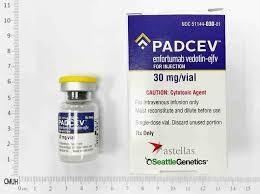
3.Monitoring and evaluation: During ennozumab treatment, patients need to receive regular monitoring and evaluation by doctors, including disease progression, treatment response and adverse reactions. Doctors may perform periodic physical exams, laboratory tests, and imaging evaluations to monitor changes in the disease and the effectiveness of treatment.
4.Adverse reaction management: Ennozumab treatment may cause some adverse reactions, including but not limited to fatigue, nausea, anemia, proteinuria, rash, etc. Patients should promptly report any symptoms of discomfort to their doctor, who will handle and manage them accordingly according to the specific situation, including adjusting the dose, suspending treatment, or providing supportive treatment.
5.Medicine for special groups: For special groups, such as the elderly, patients with hepatic and renal insufficiency, pregnant women, and lactating women, special attention needs to be paid to the safety and dosage adjustment of ennozumab. When using ennosumab to treat these populations, the balance of benefits and risks should be carefully evaluated to ensure that the occurrence of adverse effects is minimized.
6.Drug interactions: Patients should avoid concurrent use of other drugs that may interact with ennozumab during treatment. If patients need to use other drugs at the same time, they should do so under the guidance of a doctor and monitored regularly.
7.Prevention of infection: Ennosumab treatment may cause suppression of immune function and increase the risk of infection. Therefore, patients should strengthen personal hygiene during treatment, avoid contact with environments or items that may cause infection, and try to avoid contact with infected patients.
To sum up, when ennosumab is used to treat urothelial cancer, patients need to closely follow the doctor's guidance and recommendations, strictly abide by the medication precautions to ensure the safety and effectiveness of the treatment, and promptly report any adverse reactions or disease progression to the doctor so that the treatment plan can be adjusted in a timely manner.
[ 免责声明 ] 本页面内容来自公开渠道(如FDA官网、Drugs官网、原研药厂官网等),仅供持有医疗专业资质的人员用于医学药学研究参考,不构成任何治疗建议或药品推荐。所涉药品可能未在中国大陆获批上市,不适用于中国境内销售和使用。如需治疗,请咨询正规医疗机构。本站不提供药品销售或代购服务。


