
.jpeg)
Adverse reactions and side effects management of Enfortumab
Enfortumab (Enfortumab), as an important targeted therapy drug, has shown significant efficacy in the treatment of advanced urothelial cancer, but it may also cause some adverse reactions and side effects during use. Understanding and effectively managing these adverse reactions and side effects is critical to ensuring patient treatment safety and comfort. The following are some common adverse reactions and side effects and corresponding treatment methods:
1.Fatigue (Fatigue): Fatigue is one of the most common adverse reactions during ennozumab treatment. Patients may feel weak, lack of energy, fatigue, etc. For mild fatigue, patients can rest appropriately, maintain adequate sleep, maintain a good diet, and exercise moderately to relieve symptoms. For severe fatigue, treatment may need to be suspended or the dosage adjusted, and your doctor may consider supportive treatments such as magnesium or folic acid.
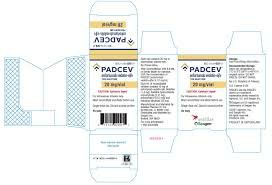
2.Nausea (Nausea): Nausea is another common adverse reaction, which may cause patients with symptoms such as loss of appetite and stomach discomfort. Patients can relieve symptoms by eating in portions, avoiding greasy and irritating foods, drinking moderate amounts of water, and maintaining good digestive tract health. If nausea severely interferes with a patient's daily life, the doctor may consider giving anti-nausea medications or modifying the treatment plan.
3.Anemia (Anemia): Ennozumab treatment may cause anemia, causing patients to experience symptoms such as fatigue, shortness of breath, and dizziness. Doctors will regularly monitor patients' hemoglobin levels. If anemia is found, they may consider giving iron supplements or erythropoietin to increase hemoglobin levels, and adjust the treatment plan according to the specific situation.
4.Skin symptoms (Skin Rash): Skin symptoms may include rash, itching, dryness and other discomforts. Patients can relieve symptoms by keeping their skin clean, avoiding excessive friction and irritation, and choosing comfortable and breathable clothing. If skin symptoms are severe, your doctor may consider topical skin care or topical medications, such as corticosteroids or antihistamines.
5.Proteinuria (Proteinuria): Ennosumab treatment may cause patients to develop proteinuria, which is manifested by increased protein content in the urine. Doctors will monitor patients' urine tests regularly and may suspend treatment or adjust the dose if proteinuria is found, and closely monitor kidney function. Patients should maintain adequate fluid intake and avoid excessive protein intake to reduce the burden on the kidneys.
6.Allergic Reactions (Allergic Reactions): Allergic reactions may occur during ennosumab treatment, manifesting as skin redness, urticaria, difficulty breathing and other symptoms. Patients should report any allergy symptoms to their doctor immediately, and the doctor will take appropriate measures based on the specific situation, which may include suspending treatment, giving anti-allergy medications, or other supportive care.
In addition to the common adverse reactions listed above, ennosumab treatment may also cause other adverse reactions, such as headache, intestinal obstruction, abnormal liver function, etc. Patients should pay close attention to their physical condition during treatment and promptly report any symptoms of discomfort to the doctor so that the treatment plan can be adjusted in a timely manner. At the same time, patients should undergo regular clinical examinations and monitoring to ensure the safety and effectiveness of treatment.
[ 免责声明 ] 本页面内容来自公开渠道(如FDA官网、Drugs官网、原研药厂官网等),仅供持有医疗专业资质的人员用于医学药学研究参考,不构成任何治疗建议或药品推荐。所涉药品可能未在中国大陆获批上市,不适用于中国境内销售和使用。如需治疗,请咨询正规医疗机构。本站不提供药品销售或代购服务。


