
.jpeg)
Does Enfortumab require long-term injections?
Enfortumab usually requires long-term injections to maintain treatment effects and control disease progression. Ennosumab is a targeted therapy drug suitable for patients with advanced or metastatic urothelial cancer. Its mechanism of action is to bind to the Nectin-4 target and release cytotoxins, causing cancer cell apoptosis, thereby inhibiting the growth and spread of cancer cells.
According to clinical trial data, ennosumab has shown good efficacy in the treatment of urothelial cancer, including high clinical response rate and long duration. However, urothelial cancer is usually a progressive disease, and patients often require long-term and continuous treatment to control disease progression and recurrence. Therefore, ennosumab treatment usually requires continuous injections to maintain its therapeutic effect and prolong patient survival.
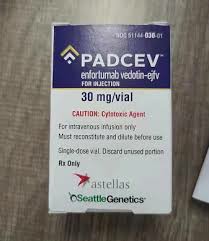
A typical treatment regimen with ennosumab is 1.25mg intravenously every 21 days / Kilogram (mg/kg), maximum dose is 125mg for 30 minutes. Patients typically receive injections on days 1 and 8 after starting treatment, and then every 21 days until disease progression or unacceptable toxicity. Dosage may be adjusted based on the individual patient's condition and tolerance to ensure the safety and effectiveness of treatment.
Although ennozumab requires long-term continuous injections, most patients generally tolerate the treatment well and the adverse effects are manageable. Patients should pay close attention to their physical condition during treatment, receive regular monitoring and evaluation from doctors, and promptly report any symptoms of discomfort or disease progression. With continued treatment and monitoring, ennosumab may provide long-term disease control and survival benefits for patients with urothelial cancer.
[ 免责声明 ] 本页面内容来自公开渠道(如FDA官网、Drugs官网、原研药厂官网等),仅供持有医疗专业资质的人员用于医学药学研究参考,不构成任何治疗建议或药品推荐。所涉药品可能未在中国大陆获批上市,不适用于中国境内销售和使用。如需治疗,请咨询正规医疗机构。本站不提供药品销售或代购服务。


