
.jpeg)
Acalatinib/Acalatinib structural formula
Acalabrutinib/Acalabrutinib is an inhibitor of Bruton's tyrosine kinase (BTK). Its molecular formula is C26H23N7O2 and its molecular weight is 465.51. The chemical name is 4-{8-amino-3-[(2S)-1-(but-2-ynyl)pyrrolidin-2-yl]imidazo[1,5-a]pyrazin-1-yl)}-N-(pyridin-2-yl)benzamide. Acotinib is a white to yellow powder with solubility dependent on pH. It is readily soluble in water at pH values u200bu200bbelow 3 and almost insoluble at pH values u200bu200babove 6.
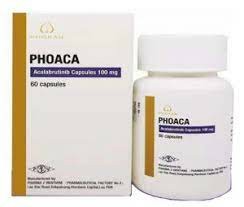
Acotinib, formerly known as ACP-196, is an oral second-generation small molecule irreversible inhibitor of BTK. Compared with ibrutinib, its goal is to achieve similar therapeutic effects in patients with chronic lymphocytic leukemia (CLL) without causing off-target effects on other kinases such as TEC, EGFR and ITK. Several preclinical studies have shown that acotinib inhibits BTK with similar efficacy to ibrutinib.
These findings led to a Phase 1/2 study to evaluate the efficacy and side effects of acotinib in CLL. At 42 months of follow-up, the side effect profile appeared to be manageable (headache, diarrhea, and upper respiratory tract infection), and discontinuation due to adverse events was rare. Subsequent phase 3 trials ELEVATE-TN and ASCEND led to FDA approval of acotinib for the treatment of chronic lymphocytic leukemia and small lymphocytic lymphoma (SLL), and was later expanded to the treatment of mantle cell lymphoma (MCL).
Twice dailyA therapeutic dose of 100 mg twice daily is considered optimal. At this dose, acotinib binds to the C481 residue and is fully occupied (99-100%) by BTK 4 hours after administration and 97% at 12 hours after administration. BTK occupancy showed higher inter-patient variability at increasing doses (200 mg BID).
[ 免责声明 ] 本页面内容来自公开渠道(如FDA官网、Drugs官网、原研药厂官网等),仅供持有医疗专业资质的人员用于医学药学研究参考,不构成任何治疗建议或药品推荐。所涉药品可能未在中国大陆获批上市,不适用于中国境内销售和使用。如需治疗,请咨询正规医疗机构。本站不提供药品销售或代购服务。


