
.jpeg)
Resistance management of acotinib/acalabrutinib
Acalabrutinib/Acalabrutinib, also known as ACP-196, is a new irreversible second-generation Bruton's tyrosine kinase (BTK) inhibitor that blocks the activation of the B-cell antigen receptor (BCR) signaling pathway and is rationally designed to be more effective and selective than ibrutinib. This drug has been used in the treatment of chronic lymphocytic leukemia (CLL), small lymphocytic lymphoma, and mantle cell lymphoma after clinical trials.
Acotinib is a more potent and selective BTK inhibitor than ibrutinib and is believed to have a lower incidence of adverse events. The first published study reported drug resistance in CLL patients treated with acotinib. Specifically, of two patients, one had a resistance mutation in BTK and the other had both a Richter mutation in BTK and a dominant TP53 mutation. Mutation of the C481 residue was detected in patients whose disease progressed or developed Richter transformation during acotinib treatment. However, given that the allele frequencies of BTK and PLC-g2 mutations are generally not high in BTK inhibitor-resistant patients, these mutations may not be the only factors responsible for resistance. Therefore, other genetic lesions or pro-survival mechanisms may play an important role in patients' resistance to drugs. When faced with acotinib resistance, the following are some possible approaches:
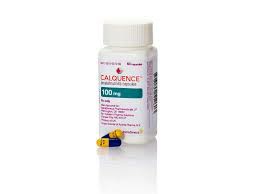
1. Confirm the mechanism of resistance: First, it is necessary to confirm whether the patient is actually resistant to acotinib. By conducting appropriate testing and analysis, the cause of resistance, such as a mutated gene or other factors, can be determined.
2. Consider dosage adjustments: Sometimes resistance may be caused by insufficient drug concentrations in the patient's body. In this case, you can consider adjusting the dose of acotinib to increase the concentration of the drug in the body, thereby increasing the inhibitory effect on cancer cells.
3. Combined with other treatments: If acotinib alone cannot effectively treat drug-resistant conditions, it can be considered in combination with other treatments. For example, acotinib can be combined with other chemotherapy drugs or immunotherapy to enhance the effectiveness of the treatment.
4. Treatment regimen switching: When drug resistance occurs, it may be necessary to switch to other treatment regimens. When choosing new treatment options, other drugs that target specific cell signaling pathways or other types of chemotherapy may be considered. This can attack cancer cells through different mechanisms and reduce the occurrence of drug resistance.
5. Participation in clinical trials: For drug-resistant patients, participating in relevant clinical trials may be an effective option. Clinical trials provide the latest treatments and medicines, helping to improve treatment effectiveness and provide patients with more treatment options.
In short, in the face of acotinib resistance, reasonable resistance treatment needs to be carried out according to the specific situation. Early confirmation of the resistance mechanism and taking corresponding measures can improve the treatment effect and prolong the survival of patients. At the same time, active participation in clinical trials can also provide more treatment opportunities for drug-resistant patients.
[ 免责声明 ] 本页面内容来自公开渠道(如FDA官网、Drugs官网、原研药厂官网等),仅供持有医疗专业资质的人员用于医学药学研究参考,不构成任何治疗建议或药品推荐。所涉药品可能未在中国大陆获批上市,不适用于中国境内销售和使用。如需治疗,请咨询正规医疗机构。本站不提供药品销售或代购服务。


