
.jpeg)
Adverse reactions and coping strategies during lenvatinib treatment
Lenvatinib, as a targeted drug widely used to treat various malignant tumors such as thyroid cancer and liver cancer, has occupied a place in the field of tumor treatment with its unique efficacy. However, like many other drugs, lenvatinib may cause a range of adverse effects during treatment. For patients, understanding these potential adverse reactions and their corresponding treatment strategies not only helps to better manage the treatment process, but also significantly improves quality of life.
Gastrointestinal discomfort is one of the common adverse reactions of lenvatinib, including nausea, vomiting, decreased appetite and diarrhea. These symptoms may cause considerable trouble to patients’ daily diet and life. In order to alleviate these discomforts, it is recommended that patients take medications after meals as much as possible to reduce the direct stimulation of the gastrointestinal tract. At the same time, patients can try a diet of small meals with frequent meals and avoid greasy and irritating foods to reduce the burden on the gastrointestinal tract. When diarrhea is severe, patients should follow medical advice, choose a low-fiber, low-fat diet, and maintain adequate fluid intake to prevent dehydration.
High blood pressure is another concern. Lenvatinib may cause an increase in blood pressure in patients, so regular monitoring of blood pressure changes is particularly important. For patients with a history of hypertension, they should pay close attention to blood pressure fluctuations and adjust the dosage of antihypertensive drugs in a timely manner according to the doctor's recommendations.
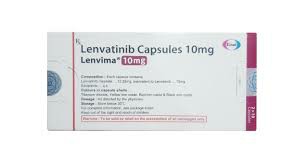
In addition, hand-foot syndrome is also a common adverse reaction during lenvatinib treatment. Patients may experience symptoms such as redness, swelling, and pain in their hands and feet, which not only affects the patient's daily life, but may also have a certain impact on their mental state. To relieve these symptoms, patients should keep their hands and feet clean and moist, avoid soaking in superheated water, and choose comfortable shoes and socks to reduce friction. When symptoms are mild, you can try soaking your feet in warm water or applying local cold compresses to relieve pain. If symptoms continue to worsen, you should seek medical advice promptly and seek professional medical advice.
Proteinuria is another adverse reaction to be wary of. Patients taking lenvatinib should have regular urine tests to detect and deal with proteinuria problems in a timely manner. Once proteinuria is discovered, patients should seek medical treatment immediately and adjust the drug dosage or take other treatment measures according to the doctor's recommendations.
Thyroid dysfunction is also one of the adverse reactions that needs attention. Lenvatinib may affect thyroid function, causing symptoms of hypothyroidism or hyperthyroidism. Therefore, patients should regularly monitor thyroid function while taking lenvatinib and make corresponding treatment adjustments according to the doctor's recommendations.
In addition to the above adverse reactions, patients may also experience symptoms such as fatigue, dizziness, headache, and rash. Although these symptoms may be mild, you should report them to your doctor promptly in order to receive professional treatment advice.
In summary, lenvatinib, as an effective targeted therapy, plays an important role in controlling tumor growth and spread. However, patients may experience a variety of adverse reactions during use. Therefore, patients should maintain close communication with their doctors, promptly report changes in symptoms, and actively cooperate with treatment adjustments to ensure maximum treatment effects and improve quality of life.
[ 免责声明 ] 本页面内容来自公开渠道(如FDA官网、Drugs官网、原研药厂官网等),仅供持有医疗专业资质的人员用于医学药学研究参考,不构成任何治疗建议或药品推荐。所涉药品可能未在中国大陆获批上市,不适用于中国境内销售和使用。如需治疗,请咨询正规医疗机构。本站不提供药品销售或代购服务。


