
.jpeg)
The role and limitations of lenvatinib in the treatment of thyroid cancer
Lenvatinib, as an oral targeted drug, is widely used in the treatment of thyroid cancer. But many patients are concerned about one question: Can lenvatinib completely cure thyroid cancer?
To be clear, the treatment of thyroid cancer is a comprehensive process, involving multiple methods such as surgery, radiotherapy, iodine therapy, and drug therapy. Lenvatinib, as one of the drug treatments, has indeed shown significant therapeutic effects in some cases.
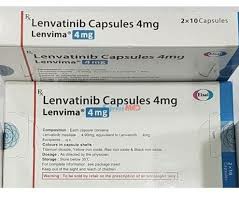
The main function of Lenvatinib is to inhibit the growth and spread of cancer cells, thereby helping patients prolong their survival. Multiple studies have shown that patients taking lenvatinib have improved median survival. However, it must be noted that the effectiveness of treatment varies from person to person, as each patient's condition and physical condition are different.
However, lenvatinib is not without side effects. Common side effects include fatigue, loss of appetite, high blood pressure, and diarrhea. These discomforts may have an impact on the patient's life and may even lead to interruption of treatment or the need to adjust the treatment plan. Therefore, when using lenvatinib, doctors need to pay close attention to the patient's response to ensure the safety and effectiveness of the treatment.
Overall, lenvatinib plays a positive role in the treatment of thyroid cancer, but it does not guarantee a complete cure of the disease. For patients, the most important thing is to work closely with the doctor to formulate and implement a personalized treatment plan, while combining a variety of treatment methods in order to achieve the best treatment effect. During this process, patients' mental health is equally important, and they need care and support from their families and medical teams.
[ 免责声明 ] 本页面内容来自公开渠道(如FDA官网、Drugs官网、原研药厂官网等),仅供持有医疗专业资质的人员用于医学药学研究参考,不构成任何治疗建议或药品推荐。所涉药品可能未在中国大陆获批上市,不适用于中国境内销售和使用。如需治疗,请咨询正规医疗机构。本站不提供药品销售或代购服务。


