
.jpeg)
Is lenalidomide effective against leukemia?
For patients with leukemia, the clinical effects of lenalidomide are significant, especially in the treatment of certain types of leukemia.
Lenalidomide showed significant efficacy in treating chronic lymphocytic leukemia, according to one study. In this study, researchers randomly assigned subjects to lenalidomide or placebo. The results showed that the progression-free survival (PFS) of patients in the lenalidomide group was significantly better than that of the placebo group. Specifically, the median PFS in the placebo group was 13 months, while the median PFS in the lenalidomide group was not reached, indicating that lenalidomide can significantly extend the progression-free survival of patients.
In addition, the study also found that lenalidomide also has significant efficacy in some patients who have failed first-line chemotherapy. This further demonstrates the effectiveness and superiority of lenalidomide in the treatment of chronic lymphocytic leukemia.
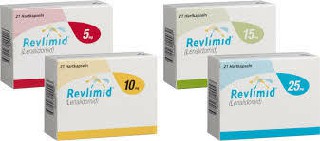
Lenalidomide is a new generation of immunomodulator with multiple mechanisms of action, including anti-angiogenesis, improving immune function, killing tumors and changing the bone marrow microenvironment. These mechanisms make lenalidomide have broad application prospects in the treatment of malignant tumors. Lenalidomide is currently approved for the treatment of multiple myeloma and has shown potential in the treatment of other hematological malignancies and solid tumors.
For patients with leukemia, lenalidomide's multiple mechanisms of action help inhibit the proliferation and spread of tumor cells, thereby controlling the progression of the disease. At the same time, its immunomodulatory effect can also enhance the body's anti-tumor immune response and further improve the therapeutic effect.
Although lenalidomide has shown significant efficacy in the treatment of leukemia, patients also need to pay attention to its possible side effects during use. Common side effects include hematological toxicity, neurotoxicity, infection due to immunomodulatory effects, cardiotoxicity, and skin toxicity. These side effects may have a certain impact on the patient's quality of life, so close monitoring and adjustment of the treatment plan are required under the guidance of a doctor.
Despite these side effects, the overall safety profile of lenalidomide in the treatment of leukemia is manageable. Doctors will develop a personalized treatment plan based on the patient's specific conditions to minimize the occurrence of side effects and ensure the safety of the treatment.
Lenalidomide has some unique advantages over traditional chemotherapy methods. First, lenalidomide has relatively few side effects and is well tolerated by patients. Secondly, lenalidomide can be administered orally, which is easy to use and has high patient compliance. In addition, lenalidomide also has certain efficacy in some patients who are ineffective with chemotherapy.
However, it is important to note that lenalidomide is not suitable for patients with all types of leukemia. Its efficacy and safety may vary depending on the patient's specific condition. Therefore, before using lenalidomide for treatment, doctors need to conduct a comprehensive assessment of the patient and develop a personalized treatment plan based on the patient's specific situation.
[ 免责声明 ] 本页面内容来自公开渠道(如FDA官网、Drugs官网、原研药厂官网等),仅供持有医疗专业资质的人员用于医学药学研究参考,不构成任何治疗建议或药品推荐。所涉药品可能未在中国大陆获批上市,不适用于中国境内销售和使用。如需治疗,请咨询正规医疗机构。本站不提供药品销售或代购服务。


