
.jpeg)
What are the precautions for OjeMDA (tovorafenib)?
In clinical studies of OjeMDA (tovorafenib), warnings and precautions such as bleeding, skin toxicity, liver toxicity, effects on growth, embryo-fetal toxicity, and NF1-related tumors have emerged. Discontinue and resume at reduced dose upon recovery, or permanently discontinue based on severity.
1. Bleeding: OjeMDA may cause bleeding, including major bleeding defined as symptomatic bleeding in critical areas or organs; inform patients and caregivers of the risk of bleeding during treatment with OjeMDA. Monitor for signs and symptoms of bleeding and evaluate as clinically indicated. Discontinue the medication when the condition improves and continue the medication at a reduced dose, or permanently discontinue the medication depending on the severity.
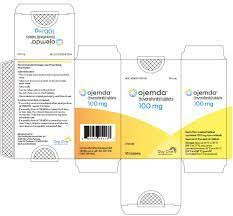
2. Skin toxicity, including photosensitivity: OjeMDA can cause skin rashes, including maculopapular rash and photosensitivity. Monitor for new or worsening skin reactions. Consider dermatologic consultation and initiate supportive care as clinically indicated. Advise patients to take steps to prevent UV exposure during treatment with OjeMDA, such as using sunscreen, sunglasses, and/or protective clothing.
3. Hepatotoxicity: OjeMDA can cause hepatotoxicity, including an increase in alanine aminotransferase (ALT), an increase in aspartate aminotransferase (AST), etc. Monitor liver function tests, includingALT, AST and bilirubin, before starting to use OjeMDA, one month after starting use, and every three months thereafter according to clinical indications. Withhold and resume at the same or reduced dose when condition improves, or permanently discontinue OjeMDA based on severity.
4. Effect on growth: OjeMDA will cause a decrease in growth rate; the patient's growth should be monitored regularly during treatment.
5. Embryo-Fetal toxicity: According to the results of animal studies and its mechanism of action, taking OjeMDA by pregnant women may cause harm to the fetus. Calculated based on the area under the curve (AUC), at the recommended dose, the embryonic lethal dose of OjeMDA in rats is approximately 0.8 times the human exposure dose. Inform pregnant women and women of reproductive potential of the potential risks to the fetus. Advise females of childbearing potential to use effective non-hormonal contraceptives during treatment and for 28 days after the last dose, as OjeMDA may cause some hormonal contraceptives to be ineffective; advise male patients who have a female partner of childbearing potential to use effective non-hormonal contraceptives during treatment and for 2 weeks after the last dose.
6. NF1-related tumors: Based on non-clinical data in NF1 models (without BRAF mutations), OjeMDA may promote tumor growth in patients with NF1 tumors. Before initiating treatment with OjeMDA, confirm evidence of BRAF alterations.
[ 免责声明 ] 本页面内容来自公开渠道(如FDA官网、Drugs官网、原研药厂官网等),仅供持有医疗专业资质的人员用于医学药学研究参考,不构成任何治疗建议或药品推荐。所涉药品可能未在中国大陆获批上市,不适用于中国境内销售和使用。如需治疗,请咨询正规医疗机构。本站不提供药品销售或代购服务。


