
.jpeg)
What medicine is OjeMDA (tovorafenib)?
OjeMDA (tovorafenib) is a type II pan-RAF kinase inhibitor indicated for the treatment of pediatric low-grade glioma; primarily indicated for the treatment of patients 6 months and older with relapsed or refractory pediatric low-grade glioma (pLGG) who harbor BRAF fusions or rearrangements or BRAF V600 mutations.
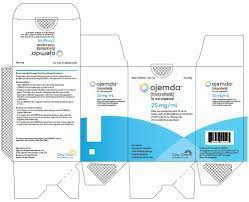
Pediatric low-grade glioma (pLGG) is the most common brain tumor in children, accounting for 30-50% of all central nervous system tumors. It can cause vision loss and motor dysfunction, among other disease-related ailments. Up to 75% of children with pLGG have BRAF mutations. Among children with BRAF-altered pLGG, approximately 80% have BRAF fusions or rearrangements, while the remaining 20% u200bu200bhave V600 mutations. Ojemda is an inhibitor of mutant BRAF V600, wild-type BRAF and wild-type CRAF kinase. It works by targeting a key enzyme in the mitogen-activated protein kinase (MAPK) signaling pathway, which is involved in gene expression and cell growth and survival.
The U.S. Food and Drug Administration (FDA)Accelerated approvalOjemda was based on data from the FIREFLY-1 trial of 137 patients in two study groups. Among the 76 patients in Arm 1 of the study, the best overall response rate was 51%, including 28% partial responses and 11% minor responses. Ojemda tablets and oral suspension are taken once a week with or without food. Common adverse reactions include rash, hair color changes, fatigue, viral infection, vomiting, headache, bleeding, fever, dry skin, constipation, nausea, acneiform dermatitis, and upper respiratory tract infection.
[ 免责声明 ] 本页面内容来自公开渠道(如FDA官网、Drugs官网、原研药厂官网等),仅供持有医疗专业资质的人员用于医学药学研究参考,不构成任何治疗建议或药品推荐。所涉药品可能未在中国大陆获批上市,不适用于中国境内销售和使用。如需治疗,请咨询正规医疗机构。本站不提供药品销售或代购服务。


