
.jpeg)
Is tepotinib a targeted drug or a chemotherapy drug?
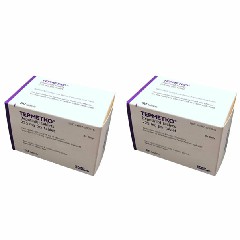
Tepotinib is a targeted drug, not a chemotherapy drug in the traditional sense. There are significant differences between targeted drugs and chemotherapy drugs in terms of mechanism of action, purpose of use and side effects.
Targeted drugs such as tepotinib specifically target specific molecules or signaling pathways in cancer cells and block their functions to inhibit the growth and spread of cancer cells. Tepotinib targets the mesenchymal epidermal transforming factor receptor (MET), specifically the MET exon 14 skipping mutation. This mutation can lead to abnormal activation of the MET receptor, thereby promoting tumor growth and metastasis. By inhibiting the activity of MET tyrosine kinase, tepotinib can effectively block these signaling pathways.
Chemotherapy drugs usually act on rapidly dividing cells, whether cancerous or normal. These drugs cause cell death by interfering with the processes of cell division andDNAreplication. Due to lack of specificity, chemotherapy drugs often cause greater damage to normal cells and lead to more side effects.
Targeted drugs are used in cancer patients with specific gene mutations or abnormal protein expression. They often require genetic testing to confirm a patient's suitability for the drug, allowing for precise treatment. Chemotherapy drugs work on a wide range of cancer types and do not require specific genetic mutations as a prerequisite. They are often used as part of standard treatment, especially when the cancer is in its early stages or has spread widely.
Because targeted drugs have higher specificity, their side effects are usually milder and easier to manage than chemotherapy drugs. Common side effects include rash, fatigue, nausea, etc. The side effects of chemotherapy drugs are serious and widespread, including hair loss, nausea and vomiting, bone marrow suppression, decreased immunity, etc.
Tepotinib, as a targeted drug, has shown significant efficacy in the treatment of patients with metastatic non-small cell lung cancer (NSCLC) carrying METexon14 skipping mutations. Its precise mechanism of action not only improves the therapeutic effect, but also significantly reduces the damage to normal cells, reduces the patient's pain, and improves the quality of life.
[ 免责声明 ] 本页面内容来自公开渠道(如FDA官网、Drugs官网、原研药厂官网等),仅供持有医疗专业资质的人员用于医学药学研究参考,不构成任何治疗建议或药品推荐。所涉药品可能未在中国大陆获批上市,不适用于中国境内销售和使用。如需治疗,请咨询正规医疗机构。本站不提供药品销售或代购服务。


