
.jpeg)
How is tepotinib metabolized in the body?
Tepotinib is a tyrosine kinase inhibitor (TKI) used to treat metastatic non-small cell lung cancer (NSCLC) harboring METexon 14 skipping mutations. Understanding its metabolism in the body is critical to optimizing its use and managing potential adverse effects.
1.Absorption and Distribution: Tepotinib is rapidly absorbed from the gastrointestinal tract after oral administration. Patients taking tepotinib typically reach peak plasma concentrations (Cmax) within hours. Tepotinib has good bioavailability due to its chemical structure design. In the blood, tepotinib is highly bound to plasma proteins, which helps it to be widely distributed in tissues in the body, including tumor tissues, thereby exerting its anti-tumor effect.
2.Metabolism process: Tepotinib is mainly metabolized by the liver in the body, involving the following key enzymes and pathways:
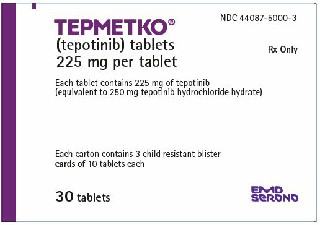
CYP3A4Enzyme: The main metabolizing enzyme of tepotinib is cytochrome P450 3A4 (CYP3A4). This enzyme is responsible for the oxidative metabolism of tepotinib, producing a variety of metabolites. These metabolites include demethylation, hydroxylation, and N-oxides.
UGT1A1enzyme: Tepotinib is also metabolized by UDP-glucuronosyltransferase 1A1 (UGT1A1) enzyme and undergoes glucuronidation reaction. The glucuronide conjugation products generated by this metabolic pathway contribute to the excretion of the drug.
3.Excretion: Tepotinib and its metabolites are mainly excreted through bile and feces, and a small amount is excreted through urine. Its excretion process is slow and its half-life is long, usually between 16 and 32between hours. This allows for a once-daily dosing regimen of tepotinib and helps maintain stable plasma concentrations.
Tepotinib is mainly metabolized by the liver in the body, relying on the action of CYP3A4 and UGT1A1 enzymes. Its metabolites are primarily excreted in bile and feces and have a long half-life, making them suitable for once-daily dosing regimens. During use, attention should be paid to drug interactions to ensure optimal therapeutic effect and safety.
[ 免责声明 ] 本页面内容来自公开渠道(如FDA官网、Drugs官网、原研药厂官网等),仅供持有医疗专业资质的人员用于医学药学研究参考,不构成任何治疗建议或药品推荐。所涉药品可能未在中国大陆获批上市,不适用于中国境内销售和使用。如需治疗,请咨询正规医疗机构。本站不提供药品销售或代购服务。


