
.jpeg)
Dosage and usage for patients with the targeted drug Tepotinib
Tepotinib is a targeted drug used to treat metastatic non-small cell lung cancer (NSCLC) carrying MET exon 14 skipping mutations. To ensure its efficacy and safety, patients must strictly follow the doctor's instructions and recommended dosage when taking Tepotinib.
Tepotinib is mainly used to treat metastatic non-small cell lung cancer (NSCLC) carrying METexon14 skipping mutations. Before starting treatment, patients need genetic testing to confirm the presence of this specific mutation. Genetic testing is usually done on tumor tissue or blood samples.
Dosage and usage
1.Recommended dose: The recommended dose of tepotinib is once daily, taking 450 mg each time. To optimize drug absorption, patients should take their medications at the same time each day.
2.How to take medicine
Taking after meals: Tepotinib should be taken with food. Food can help increase the absorption of drugs and ensure that they reach effective concentrations in the body.
Swallow tablets whole: Do not crush, chew, or break tablets. Swallowing the tablets whole ensures that the medicine is released and absorbed into the body in the way it was designed.
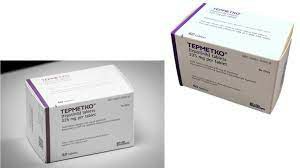
Drug use for special groups
1.Patients with hepatic impairment: No dose adjustment is required in patients with mild to moderate hepatic impairment. However, in patients with severe hepatic impairment, tepotinib should be used with caution and the dose adjusted on a case-by-case basis.
2.Patients with renal impairment: No dose adjustment is required in patients with mild to moderate renal impairment. Since tepotinib is mainly metabolized by the liver, further study is needed on medication adjustment in patients with severe renal insufficiency.
3.Elderly patients: Elderly patients usually do not need to adjust the dose, but because the elderly may be accompanied by a variety of diseases and medications, special attention should be paid to drug interactions and adverse reactions.
Monitoring during medication
While taking tepotinib, patients need to receive regular medical monitoring to evaluate the drug's efficacy and detect possible adverse reactions. These monitoring may include:
1.Routine blood examination: Regularly check blood cell counts to monitor the impact of drugs on bone marrow.
2.Liver function test: Monitor liver function indicators to evaluate the potential toxicity of drugs to the liver.
3.Imaging examination: such as CT or MRI scan to evaluate the changes in the tumor and the effect of treatment.
4.Other biochemical tests: Depending on the patient’s specific conditions, other biochemical indicators, such as electrolyte levels, may need to be monitored.
Side Effect Management
Tepotinib may cause a variety of side effects. Patients should pay close attention to their status during medication and report any symptoms of discomfort in a timely manner. Common side effects and how to manage them include:
1.Gastrointestinal discomfort: such as nausea, vomiting, diarrhea. It is recommended to coordinate your diet with your medication and consult your doctor if you need to use antiemetics or antidiarrheals.
2.Abnormal liver function: Monitor liver function regularly. If severe hepatic impairment occurs, dose adjustment or medication suspension may be necessary.
3.Eedema: It can manifest as swelling of the hands and feet. It is recommended to elevate the limbs appropriately, reduce salt intake, and consult a doctor whether diuretics are needed.
4.Skin reactions: such as rash and itching. Use topical ointments for relief, and consult a dermatologist if necessary.
5.Hypertension: Monitor blood pressure regularly and adjust antihypertensive drugs if necessary.
Drug interactions
Tepotinib is mainly metabolized byCYP3A4enzyme and may interact with other drugs. Patients should inform their doctor about all medications they are taking while taking tepotinib, including prescription drugs, over-the-counter drugs, dietary supplements, and herbal supplements. Special attention needs to be paid to the following situations:
1.CYP3A4Inhibitors: Drugs such as ketoconazole and itraconazole may increase the plasma concentration of tepotinib and increase the risk of adverse reactions. Use caution when using these medications.
2.CYP3A4Inducers: drugs such as rifampicin and carbamazepine may reduce the plasma concentration of tepotinib and reduce its efficacy. Tepotinib dose adjustment may be necessary.
Tepotinib (Tepotinib) is a targeted therapy drug mainly used to treat metastatic non-small cell lung cancer carrying MET exon 14 skipping mutations. Patients should strictly adhere to the recommended dosage and usage when using tepotinib, and receive regular medical monitoring to ensure the effectiveness and safety of the drug. At the same time, you need to pay attention to drug interactions and possible adverse reactions, and communicate with your doctor in a timely manner so that the treatment plan can be adjusted if necessary. With proper medication management, tepotinib can provide significant therapeutic benefits to patients with certain types of lung cancer.
[ 免责声明 ] 本页面内容来自公开渠道(如FDA官网、Drugs官网、原研药厂官网等),仅供持有医疗专业资质的人员用于医学药学研究参考,不构成任何治疗建议或药品推荐。所涉药品可能未在中国大陆获批上市,不适用于中国境内销售和使用。如需治疗,请咨询正规医疗机构。本站不提供药品销售或代购服务。


