
.jpeg)
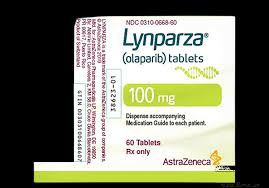
Lynparza (Olaparib, Lipadro): purposes, dosage, side effects, contraindications, etc.
Purpose:
As a highly effective anti-tumor drug, olaparib has a wide range of indications, including but not limited to the following conditions:
1.Maintenance treatment of ovarian cancer, fallopian tube cancer and peritoneal cancer: Lynparza can be used alone or in combination with bevacizumab (Avastin). It is suitable for patients who have a complete or partial response to the first or subsequent chemotherapy to help them maintain the efficacy and prevent cancer recurrence.
2.Treatment of metastatic breast cancer: Lynparza provides a new treatment option for patients whose breast cancer has spread to other parts of the body and whose condition has not improved or worsened after other treatments.
3.Adjuvant treatment of early breast cancer: For patients with certain types of early breast cancer who have received surgery and other chemotherapy, olaparib can be used as an adjuvant treatment to reduce the risk of recurrence.
4.Treatment of castration-resistant prostate cancer: Lynparza is used to treat prostate cancer that has spread to other parts of the body and is no longer responding to medications or surgery that lower testosterone levels. This is especially true in patients whose disease progresses despite treatment with enzalutamide (Xtandi) or abiraterone (Yonsa, Zytiga).
5.Combination treatment of prostate cancer: Lynparza can also be used in combination with abiraterone and prednisone in patients with prostate cancer that has spread to other parts of the body and has not responded to testosterone-lowering treatments.
6.Maintenance treatment of pancreatic cancer: For certain types of pancreatic cancer that have not spread or progressed after the first chemotherapy, olaparib can help maintain the patient's treatment response and delay the progression of the disease.
Mechanism of action:
Olaparib is a PARP (polyadenosine diphosphate ribose polymerase) inhibitor. It interferes with the DNA damage repair process by inhibiting the activity of PARP enzyme, especially in the repair of single-strand breaks. This causes DNA damage to accumulate within the tumor cells, ultimately triggering cell death. For tumor cells with BRCA1 or BRCA2 gene mutations, these mutations weaken the DNA repair ability, making the cells more sensitive to olaparib treatment.
Usage and dosage:
The recommended dosage is usually 300mg each time, which needs to be taken 2 times a day, administered orally.
side effects
1.Hematological and lymphatic system toxicity: such as anemia, neutropenia, etc., may lead to an increased risk of infection and bleeding.
2.Gastrointestinal reactions: including nausea, vomiting, abdominal pain, etc., affecting the patient's appetite and nutritional status.
3.Diseases related to decreased immunity: such as upper respiratory tract infections, influenza, etc., are related to decreased immunity of patients.
4.Metabolic abnormalities: such as hypomagnesemia, hyperglycemia, etc. The treatment plan needs to be adjusted in time to maintain a stable internal environment.
5.Nervous system symptoms: anxiety, depression, insomnia, etc., as well as possible peripheral neuropathy, affecting the patient's quality of life.
Warnings and precautions:
Some patients are taking olaparib and gonadotropin-releasing hormone (GnRH) type of drugs, blood clots may occur in the legs or lungs, so close monitoring is required and appropriate preventive measures must be taken.
Drug interactions:
To avoid drug-drug interactions, the concurrent use of strong and moderateCYP3A inhibitors or inducers is not recommended.
Medication for special populations:
Lynparza should be contraindicated in pregnant women, lactating women, and patients with severe hepatic impairment. For elderly patients and children, medication should be taken according to the advice and guidance of a doctor.
[ 免责声明 ] 本页面内容来自公开渠道(如FDA官网、Drugs官网、原研药厂官网等),仅供持有医疗专业资质的人员用于医学药学研究参考,不构成任何治疗建议或药品推荐。所涉药品可能未在中国大陆获批上市,不适用于中国境内销售和使用。如需治疗,请咨询正规医疗机构。本站不提供药品销售或代购服务。


