
.jpeg)
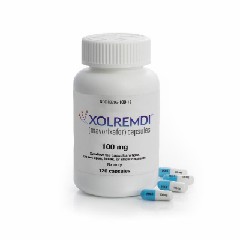
Mavorixafor (Xolremdi) indications, dosage, adverse reactions, interactions, etc.
Indications:
Xolremdi (mavorixafor) is a medicine designed for adults and children 12 years of age and older with WHIM syndrome, which includes symptoms such as warts, hypogammaglobulinemia, infection, and myelodysplasia. Its main function is to increase the number of mature neutrophils and lymphocytes circulating in the patient's body. These two types of cells play a vital role in the human immune system. However, in patients with WHIM syndrome, due to mutations in the CXCR4 gene, these cells are abnormally retained in the bone marrow and cannot effectively participate in the immune response.
Detailed explanation of the mechanism of action:
The core mechanism of action of Xolremdi is by inhibiting the binding of a specific protein called SDF-1α/CXCL12 to the CXCR4 receptor. CXCR4The receptor plays a key role in the movement of immune cells. When this binding is inhibited, Xolremdi effectively prevents immune cells from becoming trapped in the bone marrow, allowing them to circulate more freely in the blood. This mechanism is particularly important in treating WHIM syndrome, where mutations in the CXCR4 gene cause immune cells to overreact to CXCL12, causing excessive retention of these cells in the bone marrow. It is worth mentioning that Xolremdi is not only effective on normal CXCR4 receptors, but also on < The mutant CXCR4 receptor associated with WHIM syndrome also plays a role, further promoting the release of immune cells from the bone marrow into the blood.
Dosage:
For patients takingXolremdi, the recommended dosage is as follows:
1.OverweightPatients under 50kg: It is recommended to take 400mg orally daily, preferably at least 30 minutes after an overnight fast and before breakfast.
2.Patients weighing 50kg or less: It is recommended to take 300mg orally daily, also at least 30 minutes after overnight fasting and before breakfast.
Possible adverse reactions:
AlthoughXolremdi has brought new treatment options to patients with WHIM syndrome, it may also be accompanied by some adverse reactions. The most common adverse reactions include thrombocytopenia, pityriasis, rash, rhinitis, epistaxis, vomiting and dizziness. Patients should pay close attention to these reactions during medication and communicate with their doctors in a timely manner.
Important warnings and precautions:
1.While taking Xolremdi, patients should avoid taking drugs that are highly dependent on CYP2D6 enzymes for clearance, such as fluoxetine or amitriptyline, to prevent possible drug interactions.
2.This drug may cause prolongation of the QTc interval, so patients should undergo an electrocardiogram before taking the drug and monitor it regularly during the course of the drug.
3.
4.This drug is not recommended for patients with severe kidney disease, end-stage renal disease, or moderate to severe liver disease.
Drug-drug interactions:
When takingXolremdi, patients also need to pay special attention to interactions with other drugs, such as strong or moderateCYP3A4Inhibitors, strongCYP3A4 inducers, p-glycoprotein inhibitors, etc., to avoid unnecessary drug risks.
Medication recommendations for special populations:
Pregnant and lactating women, patients with hepatic and renal insufficiency, patients with heart disease, and patients with low platelets should consult a doctor before taking Xolremdi and adjust the dosage or choose other appropriate treatment options according to the doctor's advice.
[ 免责声明 ] 本页面内容来自公开渠道(如FDA官网、Drugs官网、原研药厂官网等),仅供持有医疗专业资质的人员用于医学药学研究参考,不构成任何治疗建议或药品推荐。所涉药品可能未在中国大陆获批上市,不适用于中国境内销售和使用。如需治疗,请咨询正规医疗机构。本站不提供药品销售或代购服务。


