
.jpeg)
What are the side effects of Mitotane?
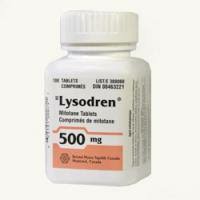
Mitotane (Mitotane) is a drug used to treat adrenocortical carcinoma (ACC) and Cushing's syndrome. Although mitotane plays an important role in the treatment of these diseases, its use may cause a variety of side effects that may affect the patient's quality of life and require careful monitoring and management during use.
1. Common side effects
1. Gastrointestinal reactions
Nausea and vomiting: This is one of the most common side effects of mitotane. Many patients experience nausea and vomiting when starting treatment. These symptoms are usually worst during the first few weeks of treatment and may lessen over time.
Diarrhea: Diarrhea is also a common gastrointestinal side effect and may cause dehydration and electrolyte imbalance in patients.
Loss of Appetite: Many patients experience a decrease in appetite during treatment, leading to weight loss and malnutrition.
2. Nervous system symptoms
Dizziness: Dizziness is a common neurological side effect of mitotane treatment and may affect patients' daily activities.
Ataxia: This is a neurological condition that affects coordination and balance. Patients may feel unsteady when walking or lose their balance.
Confusion: Some patients experience confusion or a decrease in cognitive function while taking mitotane , which affects their thinking and judgment.
3. Abnormal liver function
Elevated liver enzymes: Mitotane may cause liver enzymes such as AST and ALT) levels increase, indicating damage to liver cells. Liver function needs to be monitored regularly to detect and treat liver damage in a timely manner.
Hepatotoxicity: Although rare, severe hepatotoxicity is a possible side effect and may lead to liver failure.
4. Skin reaction
Skin rash: Some patients develop a rash after takingmitotane, which is usually mild but may require discontinuation of the medication in some cases.
Alopecia: Hair loss is another common skin side effect of mitotane and although it is usually reversible, it may have an impact on a patient's self-esteem.
2. Less common but serious side effects
1. Blood system
Leukopenia: Mitotane may cause a decrease in white blood cell counts, increasing the risk of infection. Patients need regular blood tests to monitor white blood cell levels.
Anemia: Some patients may develop anemia during treatment and need to be managed with medications or blood transfusions.
2. Changes in hormone levels
Hyponatremia: Due tomitotane's suppressive effect on adrenocortical function, patients may develop hyponatremia and require management with electrolyte replacement and hormone replacement therapy.
Hypocortisolemia: Mitotane inhibits the synthesis of adrenocortical hormones, which may lead to hypocortisolemia and requires hormone replacement therapy to maintain hormone balance in the body.
3. Cardiovascular system
Hypertension: Some patients may develop high blood pressure during treatment withmitotane and require medication and lifestyle intervention.
Arrhythmias: Although rare, arrhythmias are a possible side effect and require prompt ECG monitoring and management.
Mitotane is an effective drug for the treatment of adrenocortical cancer and Cushing's syndrome. Although it has significant efficacy, its side effects are also widespread and significant. Common side effects include gastrointestinal reactions, neurological symptoms, liver function abnormalities, and skin reactions. Less common but serious side effects include leukopenia, hyponatremia, hypertension, and cardiac arrhythmia. When using mitotane (mitotane) for treatment, patients should be under the guidance of a doctor, undergo regular examination and monitoring, and adopt appropriate management and response strategies to ensure the safety and effectiveness of the treatment. With reasonable management and support, many side effects can be alleviated and controlled, and patients can gain a better treatment experience and quality of life.
[ 免责声明 ] 本页面内容来自公开渠道(如FDA官网、Drugs官网、原研药厂官网等),仅供持有医疗专业资质的人员用于医学药学研究参考,不构成任何治疗建议或药品推荐。所涉药品可能未在中国大陆获批上市,不适用于中国境内销售和使用。如需治疗,请咨询正规医疗机构。本站不提供药品销售或代购服务。


