
.jpeg)
Patient instructions for mitotane, a drug used to treat adrenocortical cancer
1. Drug name
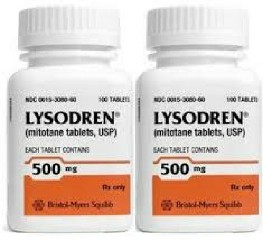
Common name: Mitotane (mitotane)
Product name:Lysodren
English name:Mitotane
2. Indications
Mitotane is indicated for the treatment of adrenocortical carcinoma (ACC), especially in patients whose tumors cannot be completely removed with surgery or whose cancer has spread. It may also be used in the treatment of Cushing's syndrome to help control symptoms of excessive hormone production.
3. Mechanism of action
Mitotane is an adrenocortical depressant. It works by selectively destroying adrenocortical cells, mainly by interfering with the mitochondrial function and cell membrane structure of these cells, inhibiting the synthesis and release of adrenocortical hormones (such as cortisol, mineralocorticoids and sex hormones), thereby reducing the excessive secretion of tumor tissue and hormones.
4. Pharmacology
Mitotane works by interfering with the normal metabolism of adrenocortical cells, causing the dysfunction and death of these cells. Its main target is the inner mitochondrial membrane, destroying its integrity and function, ultimately leading to the apoptosis of adrenocortical cells. Mitotane has a long half-life in the body, and it usually takes several weeks to reach a stable blood concentration.
5. Dosage and usage
1.Initial dose:The initial dose of Mitotane is usually 2 to 6 grams per day, taken in divided doses. Specific dosages should be adjusted based on the patient's individual condition and tolerance.
2.Maintenance dose: Gradually adjust the dose based on the patient's clinical response and side effects. The goal is to achieve and maintain a dose of 10 to 12g per day, but individual patients may require higher or lower doses.
3.How to take the medicine:Mitotane (mitotane) should be taken with food to increase absorption and reduce gastrointestinal discomfort.
6. Side Effects
Mitotane may cause a variety of side effects, common ones include:
1.Gastrointestinal reactions: nausea, vomiting, diarrhea and loss of appetite.
2.Neurological symptoms: dizziness, ataxia and confusion.
3. Abnormal liver function: Elevated levels of liver enzymes (such as AST and ALT) may lead to liver damage.
4.Skin reactions: rash and hair loss.
5.Hematological system: leukopenia and anemia.
6.Changes in hormone levels: hyponatremia and hypocortisolemia.
7.Cardiovascular system: hypertension and arrhythmia.
7. Warnings and Precautions
1.Liver function monitoring: Monitor liver function regularly to detect and deal with liver damage in a timely manner.
2.Blood tests: Perform regular blood tests to monitor white blood cells and electrolyte levels.
3.Hormone replacement: Becausemitotane inhibits the synthesis of adrenocortical hormones, patients may need hormone replacement therapy.
4.Driving and operating machinery: Due to the possibility of dizziness and confusion, patients should avoid driving and operating dangerous machinery while taking this medication.
5.Pregnancy and lactation: Mitotane (mitotane) may be harmful to the fetus and should be used with caution during pregnancy. Breastfeeding women should avoid the use of mitotane because the drug may be excreted in breast milk.
8. Contraindications
1.Patients allergic tomitotane or its ingredients.
2.Patients with severe liver dysfunction.
3.Patients with severe neurological diseases.
9. Drug interactions
1.Enzyme inducers: Mitotane (mitotane) is a liver enzyme inducer and may reduce the blood concentration of certain drugs (such as warfarin, digoxin, etc.), and the dose needs to be adjusted.
2.Antifungals: Close monitoring is required when combined with drugs such as ketoconazole, as these drugs also affect liver enzyme activity.
3.Corticoids: Becausemitotane inhibits the synthesis of adrenocortical hormones, the dose needs to be adjusted when using corticosteroid replacement therapy.
10. Medication for Special Populations
1.Children:Mitotan (Mitotan) The safety and effectiveness in children have not been established and should be used with caution and under the guidance of a specialist.
2.Elderly patients: Elderly patients may be more sensitive to drugs, so the dosage should be adjusted appropriately and side effects should be closely monitored.
3.Patients with renal insufficiency: Since mitotane (mitotane) is mainly metabolized by the liver, patients with renal insufficiency usually do not need to adjust the dosage, but the side effects of the drug need to be monitored.
11. Summary
Mitotane is an effective drug used to treat adrenocortical cancer and Cushing's syndrome, but its use may cause a variety of side effects. Patients should use Mitotane rationally under the guidance of a doctor, conduct regular blood and liver function tests, adjust the dosage in a timely manner, and adopt appropriate management and response strategies to ensure the safety and effectiveness of treatment. Patients should understand the possible side effects of medications, maintain close communication with their doctors, and promptly report any uncomfortable symptoms. With reasonable management and support, many side effects can be alleviated and controlled, and patients can gain a better treatment experience and quality of life.
[ 免责声明 ] 本页面内容来自公开渠道(如FDA官网、Drugs官网、原研药厂官网等),仅供持有医疗专业资质的人员用于医学药学研究参考,不构成任何治疗建议或药品推荐。所涉药品可能未在中国大陆获批上市,不适用于中国境内销售和使用。如需治疗,请咨询正规医疗机构。本站不提供药品销售或代购服务。


