
.jpeg)
What are the side effects of Canafenib?
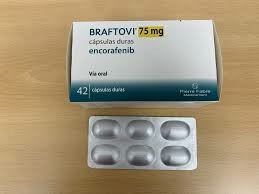
Encorafenib (Encorafenib), also known as encorafenib, is an oral, small-molecule BRAF kinase inhibitor used to treat unresectable or metastatic tumors with specific genetic mutations, specifically melanoma and colorectal cancer that are positive for BRAF V600E or V600K mutations.
Get emergency medical help if you have signs of an allergic reaction to canafenib, such as hives; difficulty breathing, or swelling of your face, lips, tongue, or throat.
Canafenib may cause serious side effects, including an increased risk of new skin cancer, such as cutaneous squamous cell carcinoma or basal cell carcinoma. Check your skin and tell your doctor immediately about any skin changes, including: new warts; skin pain or red bumps that bleed or fail to heal; moles that change in size or color. Your doctor should also check your skin before treatment, then every 2 months during treatment, and up to 6 months after stopping treatment, to look for any new skin cancers. Your doctor should also check for cancers that may not occur on your skin. Tell your doctor about any new symptoms that occur duringcanafenib treatment.
Some side effects are more likely to occur when canafenib is used together with bimetinib. Contact your doctor right away if you have: eye pain or swelling, changes in vision, seeing halos around lights, seeing color"dots" in your vision; severe rash on your hands and feet, sore or swollen skin, redness, peeling; fast or pounding heartbeat, chest fluttering, shortness of breath, and sudden dizziness (like you might pass out); or signs of bleeding, such as weakness, dizziness, headache, nosebleeds, rectal bleeding, bloody or tarry stools, coughing up blood, or vomit that looks like coffee grounds; or signs of liver problems, such as yellowing of the skin or eyes, dark or brown (tea-colored) urine, nausea or vomiting, loss of appetite, tiredness, bruising, or bleeding.
Common side effects of canafenib affecting more than 25% of patients include: fatigue; nausea; diarrhea/constipation; acneiform dermatitis; cough; shortness of breath; vomiting; abdominal pain; joint pain; musculoskeletal pain; rash; and visual impairment, such as blurred vision. Although this drug is used to treat melanoma, useCanafenib may increase your risk of other types of skin cancer. Tell your doctor if you notice any new skin symptoms such as redness, warts, sores that won't heal, or a change in the size or color of a mole.
This is not a complete list of side effects, and other side effects may occur. Regardless of any physical discomfort caused by the use of canafenib, the patient should go to the hospital for medical treatment immediately.
In general, canafenib is an effective treatment for tumors with specific genetic mutations, but attention needs to be paid to issues such as patient selection, combined medication, and adverse reactions during use. It is recommended that patients undergo standardized treatment under the guidance of professional doctors to ensure the best therapeutic effect and safety.
[ 免责声明 ] 本页面内容来自公开渠道(如FDA官网、Drugs官网、原研药厂官网等),仅供持有医疗专业资质的人员用于医学药学研究参考,不构成任何治疗建议或药品推荐。所涉药品可能未在中国大陆获批上市,不适用于中国境内销售和使用。如需治疗,请咨询正规医疗机构。本站不提供药品销售或代购服务。


