
.jpeg)
What are the precautions for fenelidone?
During clinical studies of Finerenone (Finerenone), warnings and precautions such as hyperkalemia, embryo-fetal toxicity, and liver function damage have emerged. Discontinue and resume at reduced dose upon recovery, or permanently discontinue based on severity.
1. Hyperkalemia: Nelidone can cause hyperkalemia. The risk of developing hyperkalemia increases with declining renal function and is greater in patients with higher baseline potassium levels or other risk factors for hyperkalemia. Before initiating treatment with nalidone, measure serum potassium and estimated glomerular filtration rate (eGFR) in all patients and dose accordingly. Do not initiate fenelidone if serum potassium is >5.0 mEq/L (milliequivalents per liter). Measure serum potassium periodically during fenelidone therapy and adjust dosage accordingly. More frequent monitoring may be necessary in patients at risk for hyperkalemia, including those who are concurrently taking drugs that inhibit potassium excretion or increase serum potassium.
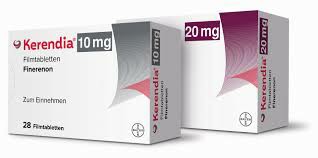
2. Embryo-Fetal Toxicity: In animal studies, at a maternal toxicity dose of 10 mg/kg/day, fenelinone caused reduced placental weight and signs of fetal toxicity, including reduced fetal weight and delayed ossification, equivalent to 19 times the human AUC. When a drug is present in animal milk, the drug may also be present in human milk. Due to the potential risk to breastfed infants from exposure to fenelidone, avoid breastfeeding during treatment and for 1 day after treatment.
3. Hepatic impairment: Dosage adjustment is not recommended for patients with mild or moderate hepatic impairment (Child Pugh Class A or B). Additional serum potassium monitoring should be considered for patients with moderate hepatic impairment. Patients with severe hepatic impairment (Child Pugh Class C) should avoid the use of fenelidone.
[ 免责声明 ] 本页面内容来自公开渠道(如FDA官网、Drugs官网、原研药厂官网等),仅供持有医疗专业资质的人员用于医学药学研究参考,不构成任何治疗建议或药品推荐。所涉药品可能未在中国大陆获批上市,不适用于中国境内销售和使用。如需治疗,请咨询正规医疗机构。本站不提供药品销售或代购服务。


