
.jpeg)
Study: Combination of fenelidone and dapagliflozin significantly reduces proteinuria in patients with non-diabetic diabetes
Finerenone (Finerenone) is marketed as Kerendia and is approved in more than 70 countries around the world, including the United States, for the treatment of adult chronic kidney disease (CKD) associated with type 2 diabetes (T2D). The data presented here may discuss uses other than the approved indications. The effectiveness of fenelidone and dapagliflozin in reducing proteinuria and slowing the progression of chronic kidney disease (CKD) has been established, but their additive effects have yet to be studied.
A combination of fenelidone and dapagliflozin can safely reduce proteinuria, according to a study published in the Journal of Clinical Kidney. Their combined effect is at least equal to the effect of each drug alone, suggesting that they have an additive effect. This study aimed to compare the individual and combined efficacy and safety of these two drugs in non-diabetic CKD patients.
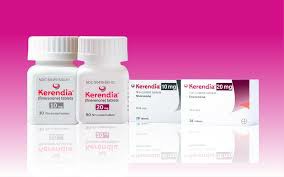
In a randomized, open-label clinical trial, researchers enrolled patients aged 18-80 years. These patients received the maximum tolerated dose of an angiotensin-converting enzyme inhibitor (ACEI) or angiotensin II receptor blocker (ARB), had a glomerular filtration rate (eGFR) of 25-45mL/min/1.73m[2], and proteinuria ranging from 150-2000mg/g. Participants were assigned to receive either 20 mg/day of fenelidone or 10 mg/day of dapagliflozin for four weeks, followed by four weeks of combination therapy. Data were collected at the beginning of the study and at weeks 4 and 8.
The main results of the study are:Twenty patients (10 in each group) were included in the study. The average eGFR of these patients was 34mL/min/1.73m[2], and the average urinary albumin-creatinine ratio (UACR) was 469mg/g. Changes in UACR were -24% and -34% in patients who received fenelidone alone or in combination with dapagliflozin, respectively; changes in UACR were -8% and -10% in patients who received dapagliflozin alone or in combination with fenelidone, respectively. The change in UACR after 8 weeks was -36%. In addition, systolic blood pressure and eGFR were reduced by 10mmHg and 7mL/min/1.73m respectively[2].
In this study, administration of fenelidone and dapagliflozin was found to be safe, with minimal adverse effects, and significantly reduced proteinuria. The efficacy of the combination treatment was comparable to that of each drug combined, suggesting an additional effect on proteinuria. More extensive research is necessary to evaluate the long-term benefits and safety of this approach.
[ 免责声明 ] 本页面内容来自公开渠道(如FDA官网、Drugs官网、原研药厂官网等),仅供持有医疗专业资质的人员用于医学药学研究参考,不构成任何治疗建议或药品推荐。所涉药品可能未在中国大陆获批上市,不适用于中国境内销售和使用。如需治疗,请咨询正规医疗机构。本站不提供药品销售或代购服务。


