
.jpeg)
Can larotinib/larlotinib treat prostate malignant tumors?
In November 2018, the U.S. Food and Drug Administration (FDA) granted accelerated approval to larotrectinib to treat some adults and children with cancer whose tumors have a gene fusion involving one of the NTRK genes. This is the first approval of a TRK-targeted drug, covering larotrectinib's capsule and liquid forms, which were developed specifically for children. The FDA approval was based on findings from a series of small clinical trials in patients with a range of cancer types, including many rare cancers.
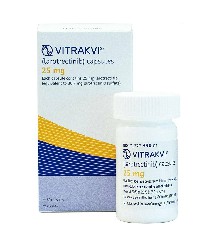
Larotinib is a targeted therapy drug mainly used to treat malignant tumors carryingNTRK gene fusions. This drug inhibits the growth and spread of tumor cells by inhibiting abnormal signaling caused by NTRK gene fusion. However, it is worth noting that the incidence of NTRK gene fusions in prostate cancer is relatively low, which means that the direct therapeutic effect of larotrectinib on prostate malignancies may be limited.
Treatment of prostate malignancies usually requires a personalized treatment plan based on the stage and grade of the tumor as well as the patient's overall health. For early-stage prostate cancer, surgery, radiation therapy, and hormone therapy are common options. For advanced or metastatic prostate cancer, chemotherapy, immunotherapy, and drugs that target specific molecular abnormalities (such as androgen receptor antagonists) may be more suitable.
Although larotrectinib has shown promising therapeutic effects in certain types of malignancies, its use in prostate malignancies has not been widely validated. Current research shows that NTRK gene fusion is very rare in prostate cancer, so the therapeutic effect of larotrectinib on prostate malignant tumors may not be significant.
[ 免责声明 ] 本页面内容来自公开渠道(如FDA官网、Drugs官网、原研药厂官网等),仅供持有医疗专业资质的人员用于医学药学研究参考,不构成任何治疗建议或药品推荐。所涉药品可能未在中国大陆获批上市,不适用于中国境内销售和使用。如需治疗,请咨询正规医疗机构。本站不提供药品销售或代购服务。


