
.jpeg)
Bedaquiline is a drug used to treat what
Bedaquiline (Bedaquiline) is a new type of diarylquinoline anti-tuberculosis drug. It is the first new anti-tuberculosis drug approved for clinical use since 1971. It provides a new treatment option for the treatment of drug-resistant tuberculosis, especially multi-drug-resistant tuberculosis (MDR-TB) and extensively drug-resistant tuberculosis (XDR-TB).
Bedaquiline exerts anti-tuberculosis effects through a unique mechanism. It inhibits the ATP synthase of Mycobacterium tuberculosis (MTB), which is the key enzyme for energy generation of bacteria. By affecting the activity of the ATP synthase proton pump, it blocks the synthesis of ATP, thus cutting off the energy supply of Mycobacterium tuberculosis, achieving antibacterial and bactericidal effects. Because its mechanism of action is different from traditional anti-tuberculosis drugs, bedaquiline has no cross-resistance with these drugs and exhibits strong antibacterial activity against sensitive strains, multidrug-resistant strains and dormant bacteria.
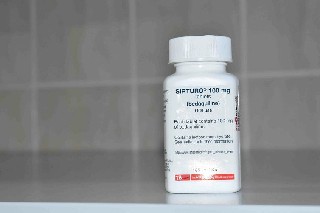
In clinical practice, bedaquiline is often used as part of combination therapy for adult patients with multidrug-resistant tuberculosis, especially when conventional drugs fail to form an effective chemotherapy regimen. The medication regimen needs to be strictly followed as prescribed by the doctor. It is usually 400 mg orally taken daily for the first two weeks, and then changed to 200 mg three times a week for 22 weeks, with a total treatment course of 24 weeks. In order to ensure the therapeutic effect, patients need to be treated under the direct supervision of a doctor and maintain good medication compliance.
It is worth noting that although bedaquiline has brought new treatment hope to patients with drug-resistant tuberculosis, there are also certain risks during its use. For example, this drug may prolong the QT interval and increase the risk of cardiotoxicity, so electrocardiogram monitoring is required before and after use. In addition, bedaquiline may also cause hepatotoxicity, and patients should avoid drinking alcohol, consuming alcoholic beverages, and using other hepatotoxic drugs while taking the drug.
In summary, bedaquiline, as a new anti-tuberculosis drug, provides important support for the treatment of drug-resistant tuberculosis. However, its use must strictly follow medical instructions and pay attention to monitoring related adverse reactions to ensure the safety and effectiveness of the treatment.
[ 免责声明 ] 本页面内容来自公开渠道(如FDA官网、Drugs官网、原研药厂官网等),仅供持有医疗专业资质的人员用于医学药学研究参考,不构成任何治疗建议或药品推荐。所涉药品可能未在中国大陆获批上市,不适用于中国境内销售和使用。如需治疗,请咨询正规医疗机构。本站不提供药品销售或代购服务。


