
.jpeg)
Detailed instructions for erdafitinib
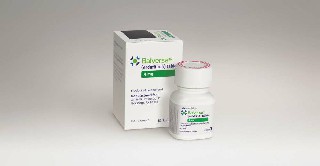
Erdafitinib, sold under the brand nameBalversa, is a drug with anti-cancer properties. Its therapeutic mechanism is to act as a small molecule inhibitor of fibroblast growth factor receptor (FGFR) to fight cancer. FGFR, as a subclass of tyrosine kinases, is deregulated in some tumors, interfering with tumor cell differentiation, proliferation, angiogenesis, and survival. Erdafitinib works by inhibiting this process.
Dosage and Administration: The recommended starting dose of erdafitinib is 8 mg (two 4 mg tablets) taken orally once daily, with the dose increased to 9 mg (three 3 mg tablets) once daily on days 14 to 21 based on tolerability, including hyperphosphatemia.
Swallow the tablet whole with a meal or alone. If vomiting occurs at any time after taking erdafitinib, the next dose should be taken the next day. Treatment should be continued until disease progression or unacceptable toxicity occurs.
If you miss a dose of erdafitinib, you can take it as soon as possible that day. Resume the regular daily dosing schedule of erdafitinib the next day. Extra tablets should not be taken to make up for a missed dose.
Assess serum phosphate levels 14 to 21 days after initiating treatment. If serum phosphate levels are <9.0 mg/dL and there are no ocular disease or grade 2 or worse adverse reactions, increase the dose of erdafitinib to 9 mg once daily. Monitor phosphate levels monthly for the presence of hyperphosphatemia.
SIDE EFFECTS: Get emergency medical help if you have signs of an allergic reaction to erdafitinib, such as hives, difficulty breathing, or swelling of your face, lips, tongue, or throat.
Erdafitinib may cause serious side effects, including:
Eye problems- These problems are common, but they can also be serious. Eye problems include dry or inflamed eyes, inflammation of the cornea (the front part of the eye), and retinal (inner part of the eye) disease. If you experience blurred vision, vision loss, or other vision changes, tell your doctor right away. You should use an artificial tear substitute, moisturizing or lubricating eye gel or ointment at least every 2 hours while you are awake to help prevent dry eyes.
High levels of phosphate in the blood (hyperphosphatemia). This condition is common but can be serious and can cause minerals such as calcium to build up in different tissues in the body. Your doctor will check your blood phosphorus levels 14 to 21 days after you start treatment with erdafitinib, and then monthly thereafter.
Your primary care physician may recommend changes to your diet or lower phosphate treatment, or change or stop treatment as needed.
If you develop skin pain, muscle spasms, numbness, or tingling around your mouth, tell your doctor right away.
Tell your doctor right away if you have any nail or skin problems, including separation of the nail from the nail bed, nail pain, nail bleeding, nail breakage, changes in nail color or texture, infection of the skin around the nails, itchy skin rash, dry skin, or skin cracks.
You may have high phosphate levels and your blood will need to be checked frequently. Tell your doctor if you have symptoms such as numbness or tingling around your mouth, muscle stiffness, body aches, itching or rash, tiredness, trouble sleeping, nausea, vomiting, loss of appetite, or shortness of breath.
Contact your doctor right away if you have: vision problems, vision loss; eye pain or redness, or fingernail or toenail problems - Pain, bleeding, separation of the nail from the skin (nail bed), unusual breakage, changes in nail color or texture, cracks, or cuticle infection.
Common erdafitinib side effects may include: nail separation from the nail bed or poor nail shape; dry skin; reduced phosphate in the blood; mouth sores; diarrhea or constipation; dry mouth, mouth sores, or changes in taste; increased levels of creatinine, calcium, potassium, or alkaline phosphatase in the blood; dry eyes Symptoms or fluid accumulation behind the retina of the eyes; changes in liver function; redness, swelling, peeling, or tenderness, primarily on the hands or feet (hand-foot syndrome); decreased red blood cells (anemia); decreased salt (sodium) levels in the blood; fatigue; hair loss; muscle pain; nausea, stomach pain, and loss of appetite. This is not a complete list of side effects, and other side effects may occur.
Notes: We do not recommend this drug for patients who are already eligible and have not previously received PD-1 or PD-L1 inhibitor treatment. Special attention should be paid to the fact that this drug may cause central serous retinopathy or retinal pigment epithelial detachment (referred to as CSR/RPED). To ensure your safety, your primary care physician will conduct eye exams monthly for the first four months of treatment and every three months thereafter, and will monitor you closely for any visual abnormalities.
Additionally, the drug erdafitinib can cause phosphate levels to rise. Your primary care physician will regularly monitor your laboratory test results to ensure that your condition is being monitored. At the same time, it must be emphasized that this drug may cause harm to the fetus. Therefore, both male and female patients using this drug should use effective contraception to prevent pregnancy. Finally, there is currently no clear conclusion in the medical community regarding the safety and effectiveness of erdafitinib in children.
Storage: Store erdafitinib tablets at room temperature 68°F to 77°F (20°C to 25°C).
[ 免责声明 ] 本页面内容来自公开渠道(如FDA官网、Drugs官网、原研药厂官网等),仅供持有医疗专业资质的人员用于医学药学研究参考,不构成任何治疗建议或药品推荐。所涉药品可能未在中国大陆获批上市,不适用于中国境内销售和使用。如需治疗,请咨询正规医疗机构。本站不提供药品销售或代购服务。


