
.jpeg)
How long does it take to treat tuberculosis with bedaquiline?
Bedaquiline, as an innovative anti-tuberculosis drug, provides new options and hope for the treatment of drug-resistant tuberculosis, especially multi-drug-resistant tuberculosis (MDR-TB) and extensively drug-resistant tuberculosis (XDR-TB). This drug works by inhibiting the ATP synthase of Mycobacterium tuberculosis, cutting off the energy supply of the bacteria, thereby achieving antibacterial and bactericidal effects. Its unique mechanism of action results in no cross-resistance between it and traditional anti-tuberculosis drugs, and it exhibits strong antibacterial activity against a variety of tuberculosis strains.
When bedaquiline is used to treat tuberculosis, a relatively long course of treatment is usually required to ensure therapeutic effect. Specifically, bedaquiline treatment regimens typically include an initial intensive treatment phase and a subsequent maintenance treatment phase, based on clinical guidelines and physician recommendations. During the intensive treatment phase, patients typically take 400 mg of bedaquiline orally daily for two weeks. The goal of this stage is to quickly reduce the load of tuberculosis bacteria in the body and lay the foundation for subsequent maintenance treatment.
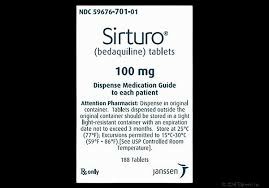
Subsequently, the patient entered the maintenance treatment phase, and the patient was switched to a dose of 200 mg three times a week for 22 weeks. The goal of this stage is to further consolidate the effects of treatment and prevent recurrence. Therefore, the entire bedaquiline treatment course is usually 24 weeks, or 6 months.
However, it is important to note that bedaquiline is not used as a standalone drug but as part of a combination therapy. During the treatment process, doctors will also combine other anti-tuberculosis drugs for comprehensive treatment based on the patient's specific situation to improve the treatment effect and reduce the occurrence of adverse reactions.
In general, bedaquiline, as a new anti-tuberculosis drug, provides new options and hope for the treatment of drug-resistant tuberculosis. Although its24-week treatment course is relatively long, it can bring better treatment effects and quality of life to patients through reasonable medication regimens and close monitoring by doctors. However, it is also necessary to pay attention to monitoring related adverse reactions during use and ensuring medication compliance and safety.
[ 免责声明 ] 本页面内容来自公开渠道(如FDA官网、Drugs官网、原研药厂官网等),仅供持有医疗专业资质的人员用于医学药学研究参考,不构成任何治疗建议或药品推荐。所涉药品可能未在中国大陆获批上市,不适用于中国境内销售和使用。如需治疗,请咨询正规医疗机构。本站不提供药品销售或代购服务。


