
.jpeg)
Contraindications and safe medication guidelines that you must be aware of during ivonib treatment
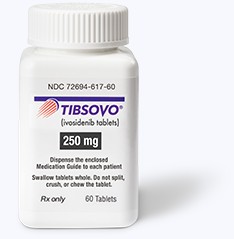
Ivosidenib (Ivosidenib), as a specific targeted therapy for patients with IDH1 gene mutations in acute myeloid leukemia (AML), its efficacy has been widely recognized. However, in order to ensure patient medication safety, it is necessary to fully understand and be alert to a series of contraindications of ivonib. This article will provide you with a detailed explanation of the contraindications for the use of ivonib in specific groups of people, as well as key matters that need to be paid attention to during the medication process, aiming to help patients and doctors jointly build a safe and effective treatment plan.
1. Special considerations for pregnant and lactating women
Contraindications for Pregnant Women: The use of ivonib in pregnant women is strictly prohibited. Because the drug may have serious toxic effects on the fetus, leading to developmental abnormalities or more serious complications, pregnant women should avoid using this drug throughout pregnancy. If the patient becomes pregnant unexpectedly during treatment, he should stop taking the medication immediately and consult a doctor as soon as possible so that the doctor can assess the risk and formulate a follow-up treatment plan.
Risk avoidance in breastfeeding women: Although it is not clear whether ivonib is excreted in breast milk, breastfeeding women should avoid its use due to its potential risks. The drug may have adverse effects on the baby, so patients are advised to suspend breastfeeding while taking the drug. If lactating women really need to use ivosidenib, they must fully communicate with their doctor to weigh the benefits of treatment and potential risks.
2. Medication contraindications for patients with severely impaired liver function
Ivonib is primarily metabolized by the liver, so in patients with severely impaired liver function, the drug may not be cleared effectively, leading to accumulation in the body and increasing the risk of toxicity. Therefore, ivosidenib should be contraindicated in these patients. Before treatment, doctors will conduct a comprehensive assessment of the patient's liver function to ensure the safety of medication. If liver function is abnormal, your doctor may adjust the dose or choose another treatment option.
3. Prevention and treatment of severe allergic reactions
Patients who are allergic to ivonib or any of its components should avoid using this drug. Severe allergic reactions may manifest as rash, itching, difficulty breathing, facial swelling and other symptoms. Once allergic symptoms occur while using ivonib, patients should stop taking the drug immediately and seek medical advice as soon as possible. The doctor will take appropriate treatment measures based on the severity of the allergic reaction and may recommend other treatments to the patient.
4. Be vigilant and respond to drug interactions
Avosidenib may interact with certain drugs, resulting in altered drug effects or an increased risk of side effects. Especially when used in combination with strong CYP3A4 inhibitors or inducers, the metabolic process of the drug may be affected. Therefore, before starting ivosidenib, patients should inform their doctor in detail about all medications they are taking, including prescription, over-the-counter, and herbal medicines. Doctors will develop an individualized treatment plan for patients based on the risk of drug interactions.
5. Control and Management of Infection Risks
Ivonib may affect a patient's immune system, making them more susceptible to infection. Therefore, ivosidenib should be avoided in patients with active or recurrent severe infections. Before treatment, doctors will conduct comprehensive infection screening on patients and strengthen infection monitoring and management during treatment. If the infection is effectively controlled, the doctor will evaluate whether the patient is suitable to start ivosidenib treatment.
6. Formulation and implementation of individualized treatment plans
In addition to the above-mentioned clear contraindications, the use of ivosidenib should also fully consider the patient's individual health status. For example, patients with renal insufficiency, a history of heart disease, or other serious chronic conditions should use ivonib with special caution. The doctor will develop a personalized treatment plan based on the patient's specific situation and conduct close monitoring and adjustments during the treatment process.
In summary, as a specific drug for the treatment of AML patients with IDH1 gene mutations, ivonib has significant efficacy, but contraindications and precautions must be strictly observed during the medication. Patients should fully understand the risks and benefits of the drug under the guidance of a doctor to ensure safe and effective use of ivonib. At the same time, patients should pay close attention to their physical condition, and should communicate with their doctor in a timely manner to seek professional advice and help once symptoms or questions arise.
[ 免责声明 ] 本页面内容来自公开渠道(如FDA官网、Drugs官网、原研药厂官网等),仅供持有医疗专业资质的人员用于医学药学研究参考,不构成任何治疗建议或药品推荐。所涉药品可能未在中国大陆获批上市,不适用于中国境内销售和使用。如需治疗,请咨询正规医疗机构。本站不提供药品销售或代购服务。


