
.jpeg)
Optimization strategies for drug safety and efficacy of ivonib
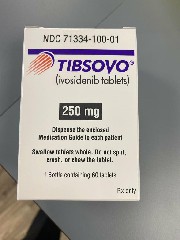
Ivosidenib (Ivosidenib), as an innovative targeted therapy for patients with IDH1 gene mutations in acute myeloid leukemia (AML), has demonstrated significant therapeutic potential in its clinical application. However, in order to ensure the safety and effectiveness of the treatment process, patients need to fully understand and follow the following medication guidelines to maximize treatment benefits.
1. Precise medication use: strict control of dosage and administration methods
The treatment regimen of ivosidenib is precise and is usually administered orally once daily. Patients must follow the doctor's prescription, accurately control the dosage and time of medication, and avoid adjusting the dosage or interrupting treatment without authorization. If you occasionally miss a dose, you should take it as soon as possible on the same day; however, if it is close to the time of the next dose, you do not need to take it again. You can just continue to take the medicine according to the original plan. Do not double the dose to make up for the missed dose.
2. Side effect monitoring: timely identification and effective management
During treatment with ivonib, patients may experience side effects such as nausea, vomiting, diarrhea, fatigue, and abnormal liver function. Therefore, regular blood tests and liver function monitoring are particularly important in order to detect and properly handle these adverse reactions in time. In the face of serious side effects, such as severe liver function damage, signs of infection or heart problems, you should seek medical treatment immediately and fully inform the doctor of any discomfort so that the doctor can adjust the treatment plan or take necessary intervention measures according to the situation.
3. Continuous monitoring: regular inspections and personalized follow-up
Continuous monitoring during treatment is key to evaluating efficacy and monitoring disease progression. This includes regular hematology tests, bone marrow aspirates, and imaging studies, which together form a comprehensive assessment of the patient's condition. The doctor will flexibly adjust the treatment plan based on these examination results to ensure the effectiveness and pertinence of the treatment. At the same time, patients should also actively participate in follow-up visits and provide timely feedback on any changes during treatment so that doctors can provide timely guidance.
4. Drug interactions: Be alert to potential risks
Interactions with other drugs should not be ignored, especially those that may affect liver enzyme systems. Before initiating ivonib treatment, patients need to inform their doctor in detail about all the drugs they are currently using, including prescription drugs, over-the-counter drugs, natural herbs and nutritional supplements, so that the doctor can assess the risk of potential drug interactions and adjust the medication plan accordingly.
5. Special care: special precautions for specific groups of people
For special groups such as elderly patients, those with hepatic and renal insufficiency, pregnant women, and lactating women, the use of ivonib needs to be done with extreme caution. The doctor will develop a personalized treatment plan based on the patient's specific situation and closely monitor the treatment response. Especially for pregnant and lactating women, because the drug may cause potential risks to the fetus or infant, it is generally not recommended to use ivonib unless specifically instructed by a doctor after fully evaluating the risks and benefits.
6. Lifestyle optimization: the key to adjuvant treatment
During treatment with ivosidenib, a healthy lifestyle is critical to improving treatment effectiveness. Patients should maintain a balanced diet, avoid overexertion, and engage in moderate physical exercise to enhance immunity and improve treatment tolerance. At the same time, because ivonib may affect the immune system, patients should try to avoid contact with environments that may cause infection to reduce the risk of infection.
7. Dealing with Drug Overdose: Proper Treatment in Emergency Situations
In the event of accidental overdose of ivosidenib, patients should contact their medical provider immediately for help. Drug overdose may cause serious side effects, such as liver function damage, hematological abnormalities, etc., so timely first aid treatment is crucial. Healthcare providers will provide supportive care and symptom management to mitigate the adverse consequences of overdose.
In short, as a new treatment option for AMLAML, the optimization of its safety and efficacy relies on the active cooperation of patients and the professional guidance of doctors. By strictly following the medication regimen, conducting regular monitoring, effectively managing side effects, being alert to drug interactions, paying attention to the needs of special groups, optimizing lifestyle, and correctly handling drug overdose situations, patients can maximize the therapeutic potential of ivosidenib and achieve effective disease control and improvement in quality of life.
[ 免责声明 ] 本页面内容来自公开渠道(如FDA官网、Drugs官网、原研药厂官网等),仅供持有医疗专业资质的人员用于医学药学研究参考,不构成任何治疗建议或药品推荐。所涉药品可能未在中国大陆获批上市,不适用于中国境内销售和使用。如需治疗,请咨询正规医疗机构。本站不提供药品销售或代购服务。


