
.jpeg)
In-depth analysis of the safety of ivonib in the treatment of AML: comprehensive management strategy and patient guidance
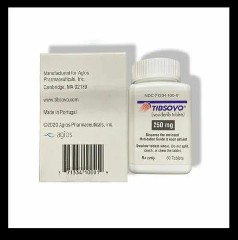
Ivosidenib is a targeted therapy drug specially designed for patients with acute myeloid leukemia (AML) who carry IDH1 gene mutations. Its efficacy is significant, but its safety also deserves great attention. This article aims to provide an in-depth discussion of the safety issues during the treatment with ivonib, covering the identification of common and serious side effects, necessary monitoring measures, risk management strategies and core content of patient education. It aims to provide patients and medical teams with a detailed safe medication guide to ensure that treatment is both efficient and safe.
1. Detailed observation of common side effects
During treatment with ivonib, patients may experience a range of mild to moderate side effects. Although these reactions are not life-threatening, they still require close attention. Specifically, nausea and vomiting are common initial symptoms. As treatment progresses, most patients can adapt to and alleviate this discomfort. Diarrhea is also a problem encountered by some patients and can usually be relieved through dietary modification or medical intervention under the guidance of a doctor. In addition, fatigue and loss of appetite are also common accompanying phenomena of ivonib treatment. It is recommended that patients maintain adequate rest and reasonable nutritional intake. What is particularly important is that since drugs need to be metabolized by the liver, fluctuations in liver function indicators, such as elevated serum aminotransferases, are also one of the focuses of monitoring.
2. Emergency response to serious side effects
Although the overall safety profile of ivonib is favorable, a small number of patients may experience serious side effects that require immediate action. Hepatotoxicity is one of the most serious risks, manifested by jaundice and a sharp increase in transaminases. If necessary, the treatment plan needs to be adjusted or the drug temporarily discontinued. Neutropenia increases the risk of infection, so regular blood monitoring is crucial. Although heart problems are rare, you still need to be vigilant. Especially for patients with a history of heart disease, electrocardiogram examination is indispensable. If allergic reactions, such as rash or difficulty breathing occur, stop taking the drug and seek medical advice immediately.
3. Comprehensive monitoring: the cornerstone of ensuring safety
To ensure the safety of ivonib treatment, a comprehensive monitoring system is indispensable. Liver function testing should be performed as a routine item at least once a month so that any abnormalities can be detected and dealt with promptly. Hematological tests, especially monitoring of neutrophil counts, are important in preventing infection. At the same time, considering the metabolic characteristics of the drug, renal function monitoring cannot be ignored. For patients with a history of heart disease, electrocardiograms should be performed regularly to assess the functional status of the heart.
4. Risk Management: Personalized and Comprehensive Strategies
In response to the potential risks of ivosidenib treatment, it is important to implement a personalized risk management strategy. Dosage adjustment may be necessary in patients with hepatic impairment or other comorbidities. At the same time, because ivonib may interact with certain drugs, especially strong CYP3A4 inhibitors or inducers, patients should fully communicate with their doctors about all drugs they are taking to avoid adverse drug interactions. In addition, given the possible effects of ivonib on the immune system, infection prevention measures, such as personal hygiene and avoidance of exposure to infectious agents, should be part of patients' daily routine.
5. Patient education: the cornerstone of safe medication use
Patient education is a key component in ensuring the safety of avosidenib treatment. Patients should fully understand the correct usage, dosage, taking time and possible side effects of the drug, and strictly abide by the doctor's instructions. Educating patients on how to recognize and report side effects, whether mild or severe, is a prerequisite for prompt management. In addition, promoting a healthy lifestyle, including a balanced diet, moderate exercise, and avoiding unnecessary medications and supplements, can help improve the safety and effectiveness of treatment.
In summary, as an effective drug for treating AMLIDH1 gene mutations, the safety management of ivonib is a complex process involving many aspects and levels. Through careful side effect monitoring, comprehensive risk management strategies, personalized dose adjustments, and in-depth patient education, treatment risks can be minimized, treatment effects can be improved, and patients can safely pass the treatment period. During this period, close communication and cooperation between patients and medical teams are key to achieving treatment goals and ensuring patient well-being.
[ 免责声明 ] 本页面内容来自公开渠道(如FDA官网、Drugs官网、原研药厂官网等),仅供持有医疗专业资质的人员用于医学药学研究参考,不构成任何治疗建议或药品推荐。所涉药品可能未在中国大陆获批上市,不适用于中国境内销售和使用。如需治疗,请咨询正规医疗机构。本站不提供药品销售或代购服务。


