
.jpeg)
What are the advantages of combining erlotinib with bevacizumab?
The combined use of erlotinib and bevacizumab can significantly extend the progression-free survival (PFS) of patients. In multiple clinical trials, this combination treatment has demonstrated superior efficacy compared to single drug treatment. For example, in a study of patients with EGFR mutation-positive advanced non-small cell lung cancer (NSCLC), median PFS was significantly longer in the combination therapy group than in the monotherapy group. This advantage means longer disease control time and better quality of life for patients.
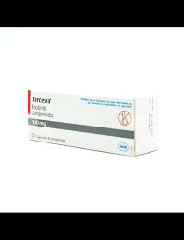
Erlotinib, as an EGFR tyrosine kinase inhibitor, mainly inhibits the growth of tumor cells by blocking EGFR signaling. Bevacizumab is a monoclonal antibody against vascular endothelial growth factor (VEGF), which prevents tumor growth and spread by inhibiting angiogenesis. The combined use of the two drugs can attack tumor cells from different angles, enhance the anti-tumor effect, and improve the treatment response rate.
Although combined medication may increase the risk of certain adverse reactions, overall, the safety of this combined treatment regimen is relatively controllable. In clinical trials, most common adverse reactions such as rash, hypertension, etc. can be alleviated through appropriate drug adjustments and supportive treatment. In addition, the combination did not significantly increase the incidence of serious adverse reactions and showed relatively good tolerance.
For some patients who are resistant to monotherapy, the combination of erlotinib and bevacizumab may become a new treatment option. By inhibiting different tumor growth pathways, this combination is expected to overcome or delay the emergence of drug resistance and gain more treatment opportunities and time for patients.
[ 免责声明 ] 本页面内容来自公开渠道(如FDA官网、Drugs官网、原研药厂官网等),仅供持有医疗专业资质的人员用于医学药学研究参考,不构成任何治疗建议或药品推荐。所涉药品可能未在中国大陆获批上市,不适用于中国境内销售和使用。如需治疗,请咨询正规医疗机构。本站不提供药品销售或代购服务。


