
.jpeg)
What is the difference between erlotinib and crizotinib
The differences between erlotinib and crizotinib are mainly reflected in their targets, indications, mechanisms of action and clinical applications. Erlotinib mainly targets the epidermal growth factor receptor (EGFR), which is a highly specific and reversible EGFR tyrosine kinase inhibitor. Crizotinib has the characteristics of a multi-target protease inhibitor, mainly targeting anaplastic lymphoma kinase (ALK)-positive patients. It also has inhibitory effects on c-Met and ROS1 and other targets.
Erlotinib is mainly used to treat locally advanced or metastatic non-small cell lung cancer (NSCLC) with sensitive mutations in the EGFR gene. Especially for patients with metastatic NSCLC with EGFR exon 19 deletions or EGFR exon 21 (L858R) mutations, erlotinib has shown significant efficacy. It was approved for marketing by the U.S. Food and Drug Administration (FDA) in 2004 and still plays an important role in clinical practice.
Crizotinib is mainly used to treat ALK positive locally advanced or metastatic NSCLC patients. It is the world's first targeted drug for ALK mutation-positive NSCLC, which is of great significance for reducing the risk of patient recurrence and metastasis, improving treatment effects, and prolonging patients' lives. In addition, crizotinib also has inhibitory effects on targets such as c-Met and ROS1, so it can also be used to treat patients with mutations in these targets in some cases.
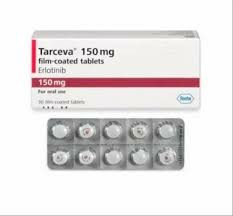
Erlotinib inhibits tumor growth by inhibiting the tyrosine kinase activity of EGFR cells. Tyrosine kinase isEGFRAn important component of and plays a key role in cell proliferation and growth. Erlotinib can specifically target tumor cells and reduce tumor formation and growth.
Crizotinib exerts anti-tumor effects by inhibiting the activity of multiple kinases, including ALK, c-Met and ROS1 etc. It can interfere with the signaling pathways of tumor cells, thereby inhibiting the proliferation and spread of tumor cells.
Common adverse reactions to erlotinib include rash and diarrhea. Among them, the incidence of rash is relatively high, which may cause physical and psychological discomfort to patients. In addition, erlotinib may also have a certain impact on liver function, so liver function indicators need to be closely monitored during use.
Adverse reactions of crizotinib include liver and kidney damage, interstitial pneumonia, non-infectious pneumonia, visual abnormalities, nausea and vomiting, edema, and constipation. Crizotinib is contraindicated in pregnant women due to potential harm to the fetus. At the same time, women of childbearing age should avoid becoming pregnant during treatment with crizotinib.
Erlotinib, as a first-generation EGFR inhibitor, plays an important role in the treatment of NSCLC. As medical research continues to deepen, people have a deeper and deeper understanding of EGFR mutations, and the application of EGFR inhibitors such as erlotinib will become more precise and effective. In the future, with the development and marketing of new EGFR inhibitors, treatment options for NSCLC patients will become more diverse.
Crizotinib, as a multi-target kinase inhibitor, also has a unique position in the treatment of NSCLC. As the research on targets such as ALK continues to deepen, the application prospects of targeted drugs such as crizotinib will be broader. At the same time, with the development of emerging treatments such as immunotherapy, the combined application of crizotinib and other treatments will also become an important direction for future research.
[ 免责声明 ] 本页面内容来自公开渠道(如FDA官网、Drugs官网、原研药厂官网等),仅供持有医疗专业资质的人员用于医学药学研究参考,不构成任何治疗建议或药品推荐。所涉药品可能未在中国大陆获批上市,不适用于中国境内销售和使用。如需治疗,请咨询正规医疗机构。本站不提供药品销售或代购服务。


