
.jpeg)
Can patients with lung adenocarcinoma be treated with erlotinib if there is no target?
Erlotinib is a therapeutic drug for patients with locally advanced or metastatic non-small cell lung cancer (NSCLC) who have sensitive mutations in the epidermal growth factor receptor (EGFR) gene. It inhibits tumor cell proliferation by effectively inhibiting EGFR tyrosine kinase activity and blocking its downstream signaling pathways. Therefore, from a drug mechanism perspective, erlotinib is designed for patients with EGFR sensitive mutations.
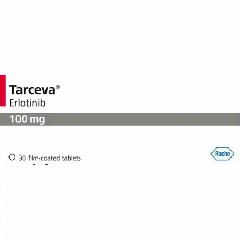
In actual clinical applications, for some patients who are less sensitive to chemotherapy and whose genetic testing shows they are sensitive to erlotinib, doctors may consider using erlotinib for treatment even if they do not have obvious EGFR mutations. In this case, the effective rate can reach more than 85%, which can effectively control the progression of the disease, reduce the patient's pain, improve the quality of life, and may extend the patient's survival by about one year.
However, it is worth noting that this approach of "blindly eating" erlotinib has certain risks. Because not all patients without EGFR mutations will respond to erlotinib, and adverse reactions such as rash, nausea, and vomiting may occur during drug use. Therefore, this treatment regimen must be carried out under the guidance of a professional physician and requires close monitoring of the patient's response and disease progression.
In addition, for patients with target-free lung adenocarcinoma, in addition to erlotinib, there are other treatment options such as anlotinib, afatinib, etc. These drugs also have certain efficacy in non-target indications, but they also need to be used under the guidance of a doctor, and attention should be paid to monitoring adverse reactions and efficacy.
[ 免责声明 ] 本页面内容来自公开渠道(如FDA官网、Drugs官网、原研药厂官网等),仅供持有医疗专业资质的人员用于医学药学研究参考,不构成任何治疗建议或药品推荐。所涉药品可能未在中国大陆获批上市,不适用于中国境内销售和使用。如需治疗,请咨询正规医疗机构。本站不提供药品销售或代购服务。


