
.jpeg)
Analysis of efficacy and adverse reactions of Platinib
Platinib, as a potent and selective RET inhibitor, has shown significant efficacy in the treatment of RETfusion-positive metastatic non-small cell lung cancer (NSCLC) adult patients, but it is also accompanied by certain adverse reactions.
Platinib has achieved impressive efficacy in the treatment ofRETfusion-positiveNSCLC patients. Multiple clinical trial data show that for treatment-naïve patients, the overall objective response rate (ORR) of platinib is as high as 79%, of which 100% Although the response rate (CR) is relatively low, the partial response rate (PR) is very high, indicating that significant tumor shrinkage can be observed in most patients. For previously treated patients, platinib also showed good efficacy, with ORR reaching 62%, demonstrating its effectiveness against drug-resistant tumors.
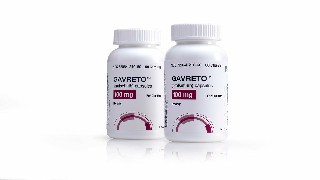
Platinib can not only reduce tumor size, but also significantly prolong patient survival. In multiple studies, the median progression-free survival (PFS) and overall survival (OS) were extended in patients treated with platinib, providing patients with a longer survival time.
It is particularly worth mentioning that platinib also shows excellent efficacy in treating brain metastases. In patients with brain metastases at baseline, platinib can significantly shrink brain metastases and improve patients' neurological symptoms and quality of life.
Common adverse reactions during treatment with platinib include fatigue, constipation, diarrhea, hypertension, cough, fever, etc. Most of these adverse reactions were mild to moderate and patients could tolerate them and continue treatment. However, some patients may experience serious adverse reactions and require prompt medical treatment.
Serious adverse reactions of platinib include interstitial lung disease (ILD)/Non-infectious pneumonia, sepsis, etc. These adverse reactions may threaten the patient's life, so it is necessary to pay close attention to the patient's condition changes and take appropriate treatment measures in a timely manner. Especially for ILD/ non-infectious pneumonia, once it occurs, platinib should be stopped immediately and examinations such as imaging and infectious etiology evaluation should be performed.
Platinib may also cause abnormal laboratory test results, such as elevated phosphate, elevated alanine aminotransferase (ALT) and aspartate aminotransferase (AST). These abnormal results may indicate that the patient has liver and kidney damage or other potential health problems, and the patient's laboratory indicators need to be monitored regularly to ensure the safety of the treatment.
[ 免责声明 ] 本页面内容来自公开渠道(如FDA官网、Drugs官网、原研药厂官网等),仅供持有医疗专业资质的人员用于医学药学研究参考,不构成任何治疗建议或药品推荐。所涉药品可能未在中国大陆获批上市,不适用于中国境内销售和使用。如需治疗,请咨询正规医疗机构。本站不提供药品销售或代购服务。


