
.jpeg)
Is it okay to take erlotinib if there is no target for lung adenocarcinoma?
Lung adenocarcinoma is a common type of lung cancer, and its treatment often relies on targeted drugs. Erlotinib is a tyrosine kinase inhibitor targeting the epidermal growth factor receptor (EGFR). It inhibits the growth of tumor cells by blocking the EGFR signaling pathway. Erlotinib has been shown to have significant therapeutic efficacy in patients with non-small cell lung cancer harboring EGFR sensitizing mutations.
In the absence of a clear target for lung adenocarcinoma, the use of erlotinib may have certain risks. Because the design of the drug is based on specific genetic mutations (such as EGFR mutations), without these mutations, the drug may not have the expected therapeutic effect. In addition, blind use may cause unnecessary side effects, such as rash, nausea, vomiting, etc.
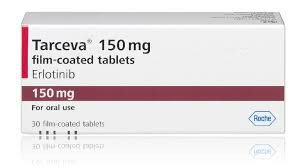
Although erlotinib has a significant effect in patients with EGFR mutations, its efficacy in patients with target-free lung adenocarcinoma is not clear. In clinical practice, for such patients, doctors usually recommend more comprehensive genetic testing to look for other possible targets or treatment options. If there is indeed no suitable target, doctors may consider other non-targeted treatments, such as chemotherapy, radiotherapy or immunotherapy.
For patients, the use of erlotinib in the absence of a clear target should be carefully considered. The most important thing is to make treatment decisions under the guidance of a professional doctor. At the same time, patients should also pay attention to maintaining good living habits, such as quitting smoking and limiting alcohol, eating a balanced diet and exercising moderately, to improve body immunity and quality of life.
[ 免责声明 ] 本页面内容来自公开渠道(如FDA官网、Drugs官网、原研药厂官网等),仅供持有医疗专业资质的人员用于医学药学研究参考,不构成任何治疗建议或药品推荐。所涉药品可能未在中国大陆获批上市,不适用于中国境内销售和使用。如需治疗,请咨询正规医疗机构。本站不提供药品销售或代购服务。


