
.jpeg)
In the treatment of lung adenocarcinoma, which one is more effective, erlotinib or osimertinib?
In the treatment of lung adenocarcinoma, which one is more effective, erlotinib or osimertinib, is a complex issue because it involves comparisons in many aspects, including the drug's mechanism of action, clinical efficacy, safety, and patient specific conditions.
Erlotinib and osimertinib are both targeted drugs against the epidermal growth factor receptor (EGFR), but their mechanisms of action and targets are slightly different. Erlotinib mainly inhibits the growth and proliferation of tumor cells by inhibiting the activity of EGFR tyrosine kinase and blocking the signal transduction of tumor cells. Osimertinib is a third-generation EGFR inhibitor that can specifically target the EGFR T790M mutation, which is a common drug-resistant mutation among EGFR gene mutations. Osimertinib can overcome this resistance and continue to inhibit tumor growth.
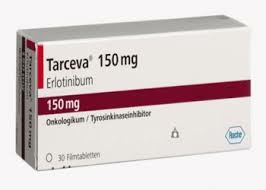
Erlotinib was approved for marketing in China in May 2007. Erlotinib has shown reliable efficacy in patients with advanced non-small cell lung cancer with sensitive mutations in the EGFR gene. It can significantly improve the patient's tumor-bearing survival rate, with overall survival (OS) reaching 6.7 months and progression-free survival (PFS) was 9.9 weeks, and the duration of response (DOR) was 34.3 weeks. These data indicate that erlotinib has a certain effect in prolonging patient survival and controlling disease progression.
Osimertinib was approved for marketing in China in March 2017 and has been included in the National Class B Medical Insurance Directory. It is suitable for adult patients with locally advanced or metastatic non-small cell lung cancer who have previously experienced disease progression during EGFR tyrosine kinase inhibitor treatment and have EGFRT790m mutation-positive disease. Osimertinib can significantly slow down or prevent the progression of the disease in these patients, reducing the risk of disease progression by 70%. Its progression-free survival (PFS) has reached 10.1 months, and its objective response rate (ORR) was 65%. These data are better than erlotinib, showing the advantages of osimertinib in overcoming drug resistance and extending progression-free survival.
Both erlotinib and osimertinib have good safety profiles. Erlotinib has relatively few adverse reactions, most of which are mild to moderate, such as rash, nausea, vomiting, etc., and are generally tolerated by patients. The safety of osimertinib is also relatively high. Its common adverse reactions include cough, dyspnea, diarrhea, etc., but most of them are mild to moderate and can be alleviated through appropriate symptomatic treatment.
When choosing erlotinib or osimertinib, the decision needs to be based on the patient's specific situation. Erlotinib is an effective treatment option for patients with treatment-naive advanced non-small cell lung cancer with sensitive mutations in the EGFR gene. For patients who have received EGFR tyrosine kinase inhibitor treatment and developed resistance (especially the T790M mutation), osimertinib has more advantages.
It is worth noting that no matter which drug is chosen for treatment, patients should maintain a good mentality and living habits, and actively cooperate with the doctor's treatment plan and suggestions. At the same time, regular examinations and evaluations are also an important part of ensuring the effectiveness of treatment, identifying problems in a timely manner and adjusting treatment plans.
[ 免责声明 ] 本页面内容来自公开渠道(如FDA官网、Drugs官网、原研药厂官网等),仅供持有医疗专业资质的人员用于医学药学研究参考,不构成任何治疗建议或药品推荐。所涉药品可能未在中国大陆获批上市,不适用于中国境内销售和使用。如需治疗,请咨询正规医疗机构。本站不提供药品销售或代购服务。


