
.jpeg)
What should I do if I am resistant to Dacomitinib?
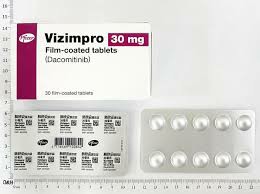
Dacomitinib (Dacomitinib), as a second-generation epidermal growth factor receptor (EGFR) tyrosine kinase inhibitor, plays an important role in the treatment of non-small cell lung cancer (NSCLC). It effectively blocks the growth signaling pathways of tumor cells by specifically inhibiting the activity of EGFR and related proteins, providing patients with a precise and effective treatment option. Dacomitinib is not only suitable for patients with EGFR mutation-positive advanced or metastatic NSCLC, but also shows significant efficacy in controlling tumor growth and spread due to its unique molecular structure and mechanism of action.
However, during long-term use of dacomitinib, some patients may develop drug resistance, which is one of the common challenges in targeted therapy. The emergence of drug resistance means that tumor cells have found ways to bypass the inhibitory effects of drugs, resulting in reduced or ineffective drug efficacy. When resistance to dacomitinib occurs, patients and doctors need to work closely together and take active countermeasures.
First of all, genetic testing is a key step in understanding the mechanisms of drug resistance. By detecting genetic changes in tumor cells, the specific causes of drug resistance can be clarified, providing a basis for subsequent adjustments to treatment plans. For example, the T790M mutation is one of the main causes of dacomitinib resistance. For this mutation, third-generation EGFR inhibitors such as osimertinib can be considered for treatment.
Secondly, the doctor will develop a personalized treatment plan based on the patient's specific situation. This may include switching to other targeted drugs, combined with immunotherapy or chemotherapy to maximize patient survival and improve quality of life. When adjusting the treatment plan, the doctor will comprehensively consider the patient's physical condition, tumor type, genetic mutation and other factors to formulate the most appropriate treatment plan.
In addition to drug treatment, patients also need to pay attention to maintaining good living habits and mentality. A balanced diet, moderate exercise and positive psychological adjustment can help improve the body's resistance and immunity, thereby better coping with the challenges posed by the disease.
The original drug dacomitinib is now on the market in China and has been included in the medical insurance reimbursement items. For specific reimbursement ratios, please consult the local medical insurance reimbursement department. The original drug, 15 mg and 30 tablets, costs only more than 1,000 yuan after reimbursement. At the same time, there are also generic versions of this drug on the Laos market, priced at 30 tablets of 45 mg, produced by Element Pharmaceuticals for about 1,500 yuan, and Lucius Pharmaceuticals for about 1,200 yuan. For price issues, please consult overseas medical consulting companies.
In short, dacomitinib resistance is a problem that doctors and patients must face together. By clarifying the drug resistance mechanism through genetic testing, formulating personalized treatment plans, and maintaining good living habits and mentality, patients can continue to receive effective treatment and control the development of the disease after drug resistance.
[ 免责声明 ] 本页面内容来自公开渠道(如FDA官网、Drugs官网、原研药厂官网等),仅供持有医疗专业资质的人员用于医学药学研究参考,不构成任何治疗建议或药品推荐。所涉药品可能未在中国大陆获批上市,不适用于中国境内销售和使用。如需治疗,请咨询正规医疗机构。本站不提供药品销售或代购服务。


