
.jpeg)
What are the benefits of erlotinib combined with bevacizumab?
The benefits of erlotinib combined with bevacizumab in tumor treatment are multifaceted. This combination has been verified by multiple clinical studies and has demonstrated its unique advantages and potential.
Erlotinib, as an EGFR (epidermal growth factor receptor) tyrosine kinase inhibitor, is an important drug in the treatment of tumors such as non-small cell lung cancer. However, the use of single drugs often faces the problem of drug resistance, that is, tumor cells become resistant to the drug over a period of time, resulting in a decrease in therapeutic effect. As an anti-angiogenesis targeted drug, bevacizumab can block the formation of new blood vessels in tumors by inhibiting the action of vascular endothelial growth factor (VEGF), thereby inhibiting tumor growth and metastasis. When erlotinib is used in combination with bevacizumab, the two can exert a synergistic effect and significantly prolong the resistance time to targeted drugs.
Specifically, in a multi-center, randomized phase III study in Italy, researchers divided newly diagnosed lung cancer patients with EGFR gene mutations into two groups. One group received treatment with erlotinib combined with bevacizumab, and the other group received only erlotinib monotherapy. The results showed that the median progression-free survival time of the combination group reached 15.4 months, while that of the single-drug group was only 9.6 months. This data fully illustrates the significant advantages of combination therapy in prolonging resistance time and improving treatment effect.
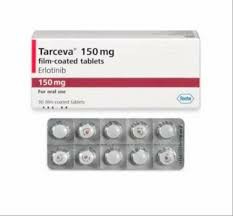
In addition to showing good efficacy in non-small cell lung cancer, erlotinib combined with bevacizumab has also achieved impressive results in the treatment of advanced hepatocellular carcinoma (HCC). A phase II clinical trial showed that this combination treatment significantly improved progression-free survival and overall survival in patients with advanced HCC. Specifically, the progression-free survival rate (PFS16) of continued treatment within 16 weeks reached 62.5% , a result that was much higher than expected. At the same time, the median progression-free survival (PFS) was 9.0 months, and the median overall survival reached 15.65 months, both of which were better than historical control data. These data fully demonstrate that erlotinib combined with bevacizumab can significantly prolong late-stage HCCThe patient's survival period provides new treatment options for these patients.
Although combined use may increase the risk of certain adverse reactions, overall, the safety of the treatment regimen of erlotinib combined with bevacizumab is within the acceptable range. In multiple clinical trials, adverse reactions observed mainly include fatigue, hypertension, diarrhea, elevated transaminases, etc. Most of these reactions are mild to moderate and can be effectively controlled with appropriate dose adjustment and symptomatic treatment. Importantly, these adverse reactions did not seriously affect patients' daily quality of life, nor did they cause a large number of patients to withdraw from treatment due to intolerance. Therefore, from a safety perspective, erlotinib combined with bevacizumab is a relatively feasible treatment option.
In addition to the above-mentioned applications in non-small cell lung cancer and advanced hepatocellular carcinoma, the treatment regimen of erlotinib combined with bevacizumab may also show potential efficacy in other types of tumors. For example, in the treatment of advanced cholangiocarcinoma, this combination regimen has also shown certain efficacy and safety.
[ 免责声明 ] 本页面内容来自公开渠道(如FDA官网、Drugs官网、原研药厂官网等),仅供持有医疗专业资质的人员用于医学药学研究参考,不构成任何治疗建议或药品推荐。所涉药品可能未在中国大陆获批上市,不适用于中国境内销售和使用。如需治疗,请咨询正规医疗机构。本站不提供药品销售或代购服务。


