
.jpeg)
Which is better, dacomitinib (dacomitinib) or afatinib?
Dacomitinib (Dacomitinib), as an innovative cancer treatment drug, has demonstrated excellent performance in the field of lung cancer treatment, especially in the treatment of adult non-small cell lung cancer (NSCLC). It is a second-generation, irreversible epidermal growth factor receptor (EGFR) tyrosine kinase inhibitor that effectively inhibits the growth and spread of tumor cells by blocking the activity of EGFR and its family members (such as HER2, HER4). Below is a detailed introduction to dacomitinib and a brief comparison with afatinib.
Features and advantages of dacomitinib
Powerful inhibitory effect: Dacomitinib binds tightly to the EGFR kinase region through its irreversible binding method, thereby continuously inhibiting the proliferation and metastasis of tumor cells. This mechanism ensures that the drug remains highly effective over a long period of time, helping to extend patients' progression-free survival.
Broad-spectrum efficacy: Dacomitinib is not limited to EGFR mutation-positive non-small cell lung cancer patients. It also has inhibitory effects on EGFR family members such as HER2 and HER4, showing broader anti-tumor activity. This gives it a unique advantage in treating certain types of cancer.
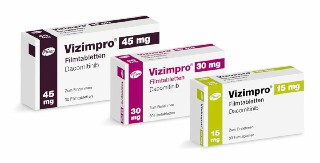
Penetrating the blood-brain barrier: Dacomitinib has a certain ability to penetrate the blood-brain barrier. For NSCLC patients with central nervous system metastasis it can reach an effective concentration in the brain tissue, thereby achieving effective control of brain metastases.
Remarkable clinical effects: In multiple clinical trials, dacomitinib significantly prolonged the survival of EGFR mutation-positive non-small cell lung cancer patients and showed excellent efficacy. Especially in comparative studies with first-generation EGFR TKIs, dacomitinib showed obvious advantages in terms of progression-free survival and overall survival rate.
Comparison with afatinib
The same is true for afatinibEGFR TKI, but it is a reversible inhibitor and has dual inhibitory effects on EGFR and HER2. Both have performed well in the treatment of EGFR mutation-positive NSCLC, but dacomitinib may be more advantageous in some cases due to its irreversible inhibitory effect, broad-spectrum efficacy, and blood-brain barrier penetration ability. However, the specific drug to use needs to be determined based on the patient's condition, genetic test results, and doctor's advice.
In summary, dacomitinib, as a potent, broad-spectrum and highly effective EGFR inhibitor in the brain, has shown great potential in the treatment of NSCLC. However, the specific choice of dacomitinib or other drugs such as afatinib should be decided based on the patient's specific condition, genetic test results, and the doctor's comprehensive evaluation.
The original drug dacomitinib has been launched in the Chinese market and has been successfully included in the medical insurance reimbursement project. Regarding the reimbursement ratio, patients can consult the local medical insurance department. The price after reimbursement for 30 tablets of 15mg is about more than 1,000 yuan, which is convenient for patients to purchase domestically. In addition, there are also generic drugs in Laos. The price of 45 mg and 30 tablets is about 1,500 yuan from Element Pharmaceuticals and about 1,200 yuan from Lucius Pharmaceuticals. If you have more questions about the price of dacomitinib, you can consult an overseas medical consulting company.
[ 免责声明 ] 本页面内容来自公开渠道(如FDA官网、Drugs官网、原研药厂官网等),仅供持有医疗专业资质的人员用于医学药学研究参考,不构成任何治疗建议或药品推荐。所涉药品可能未在中国大陆获批上市,不适用于中国境内销售和使用。如需治疗,请咨询正规医疗机构。本站不提供药品销售或代购服务。


