
.jpeg)
How effective is dacomitinib when it enters the brain?
Dacomitinib, as a cutting-edge cancer treatment drug, plays an important role in the fight against adult non-small cell lung cancer (NSCLC). This drug is specially designed for patients with specific mutations in the epidermal growth factor receptor (EGFR) gene. By precisely inhibiting the activity of EGFR, it effectively curbs the uncontrolled growth and spread of cancer cells.
Brain metastasis is a particularly difficult problem in the treatment of non-small cell lung cancer. Many patients will develop brain metastases during the course of the disease, which not only increases the complexity of treatment, but also seriously affects the quality of life of patients. Dacomitinib has demonstrated its unique advantage in this regard - its powerful brain-entering effect. Compared with some similar drugs, dacomitinib can penetrate the blood-brain barrier more effectively and act directly on metastatic lesions in the brain, thereby achieving effective control of brain metastases.
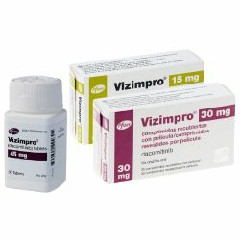
This brain-entering effect is due to the unique molecular structure and mechanism of action of dacomitinib. As an irreversible pan-ErBb inhibitor, it not only targets EGFR itself, but also inhibits other EGFR family members such as HER2 and HER4, achieving a comprehensive blockade of multiple signaling pathways in the HER family. This broad-spectrum inhibitory property allows dacomitinib to more comprehensively cover potential cancer cell growth sites during treatment, including those tiny lesions hidden in the brain.
In addition, clinical studies of dacomitinib have also confirmed its significant efficacy in patients with brain metastases. In a clinical study of patients with brain metastases from EGFR-positive non-small cell lung cancer, dacomitinib showed encouraging intracranial activity, and most patients achieved effective disease control, with a tolerable and manageable safety profile. These research data not only provide strong support for the application of dacomitinib in the treatment of brain metastases, but also bring new treatment options and hope to patients.
To sum up, dacomitinib has shown unique advantages in the treatment of non-small cell lung cancer and brain metastases due to its powerful brain penetration effect, broad-spectrum inhibitory properties and significant clinical efficacy. The emergence of this drug has undoubtedly brought a new hope of treatment to patients suffering from diseases.
[ 免责声明 ] 本页面内容来自公开渠道(如FDA官网、Drugs官网、原研药厂官网等),仅供持有医疗专业资质的人员用于医学药学研究参考,不构成任何治疗建议或药品推荐。所涉药品可能未在中国大陆获批上市,不适用于中国境内销售和使用。如需治疗,请咨询正规医疗机构。本站不提供药品销售或代购服务。


