
.jpeg)
Full analysis of adverse reactions during imatinib treatment
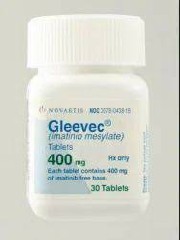
Imatinib (Imatinib), as a targeted therapy drug for chronic myelogenous leukemia (CML) and gastrointestinal stromal tumor (GIST), has been widely recognized for its significant therapeutic effect. However, like other anticancer drugs, imatinib may be associated with a range of side effects. This article will comprehensively analyze the possible adverse reactions caused by imatinib so that patients can better understand and deal with these potential problems.
1. Digestive system discomfort
1. Nausea and vomiting: After treatment with imatinib, some patients may experience nausea and vomiting, especially in the early stages of taking the drug. To relieve this symptom, it is recommended to take it with food or take it in divided doses.
2. Diarrhea: During treatment, diarrhea is also a common reaction of some patients. At this point, your doctor may recommend antidiarrheal medication and emphasize maintaining adequate fluid intake.
3. Loss of appetite: Imatinib may also affect the patient's appetite. To ensure balanced nutrition, patients should pay attention to dietary adjustments and seek professional guidance from a nutritionist if necessary.
2. Skin and soft tissue abnormalities
1. Rush and itching: Skin redness, itching and rash are common side effects of imatinib treatment, most of which are mild and usually do not require discontinuation of the drug. But if symptoms are severe, your doctor may consider adjusting the medication dose.
2. Puffiness: Swelling of the eyelids, face, or extremities may be related to water retention caused by medications. Reducing salt intake and using diuretics are effective ways to relieve this symptom.
3. Changes in blood system
1. Anemia: Imatinib may cause a decrease in the number of red blood cells, causing anemia symptoms such as fatigue and weakness.
2. Neutropenia: Some patients may experience a decrease in white blood cells, especially neutrophils, which increases the risk of infection. Therefore, regular blood tests are crucial to monitor this change.
3. Thrombocytopenia: Low platelets may cause patients to bleed or bruise easily. In severe cases, doctors may adjust the dose or suspend treatment.
4. Liver and metabolic effects
1. Abnormal liver function: Imatinib may affect liver function, leading to elevated liver enzymes. Therefore, regular liver function tests are essential.
2. Weight gain and hyperglycemia: Imatinib may cause weight gain and hyperglycemia, which is associated with drug-induced water retention and changes in appetite. For people with diabetes or prediabetes, blood sugar levels should be monitored closely.
5. Musculoskeletal and cardiovascular system responses
1. Muscle spasms and bone pain: Patients taking imatinib may experience muscle spasms and bone pain, especially early in treatment. Maintaining electrolyte balance and moderate physical activity can help relieve these symptoms.
2. Cardiovascular side effects: Although rare, imatinib may cause cardiovascular problems, such as heart failure or pericardial effusion. Patients need to pay close attention to symptoms such as chest pain, shortness of breath, or abnormal heart rate during treatment.
6. Other rare side effects
1. Abnormal renal function: Long-term use of imatinib may cause renal damage. Therefore, regular monitoring of kidney function is necessary.
2. Eye reactions: Some patients may experience symptoms such as dry eyes, blurred vision or swollen eyelids. If eye symptoms worsen, seek medical attention promptly.
3. Pulmonary complications and skin pigmentation: A small number of patients may develop fluid accumulation in the lungs or other respiratory problems, as well as skin pigmentation. These symptoms are usually not serious, but are still cause for concern.
Side effects of imatinib vary from person to person and are mostly manageable and mild. However, regular physical exams and blood tests are essential to monitor and manage these side effects. For most patients, the clinical benefits of imatinib far outweigh its side effects. Therefore, if any discomfort occurs, patients should communicate with their doctor in time so that the treatment plan can be adjusted or appropriate symptomatic treatment can be taken. Through the joint efforts of both doctors and patients, the therapeutic effect of imatinib can be maximized while reducing the discomfort it may cause.
[ 免责声明 ] 本页面内容来自公开渠道(如FDA官网、Drugs官网、原研药厂官网等),仅供持有医疗专业资质的人员用于医学药学研究参考,不构成任何治疗建议或药品推荐。所涉药品可能未在中国大陆获批上市,不适用于中国境内销售和使用。如需治疗,请咨询正规医疗机构。本站不提供药品销售或代购服务。


