
.jpeg)
Imatinib’s extraordinary effect in the treatment of gastrointestinal stromal tumors
Imatinib (Imatinib), as a key targeted therapy drug, plays a pivotal role in the treatment of gastrointestinal stromal tumors (GIST). GIST, a rare and malignant tumor originating from the gastrointestinal tract, is often closely linked to mutations in the KIT or PDGFRA genes, resulting in abnormal activity of the tyrosine kinases encoded by these genes, thereby promoting tumor growth. Imatinib, by inhibiting the activity of these tyrosine kinases, effectively blocks the growth and division of tumor cells, bringing new treatment hope to GIST patients.
1. Excellent performance of imatinib in inoperableGIST
For those patients with unresectableGIST, imatinib is undoubtedly the first-line treatment of choice. Clinical trial data strongly demonstrate the significant efficacy of imatinib in patients carrying KIT or PDGFRA gene mutations. After receiving imatinib treatment, the tumor volume of many patients was significantly reduced and their condition was effectively controlled. Specifically, imatinib treatment has brought positive effects in the following aspects:
High disease control rate: Research data show that among patients with inoperableGIST who receive imatinib treatment, about 70%-85% can achieve disease stabilization or partial tumor response. Even more exciting is that some patients' tumors have even shrunk to a level suitable for surgical removal.
Delaying disease progression: Imatinib is also excellent at delayingGIST progression. The progression-free survival (PFS) of many patients can be extended to 18-36 months or even longer. Depending on the patient's genetic mutation type, some patients may have a more durable response to imatinib treatment.
2. The important role of imatinib in postoperative adjuvant therapy
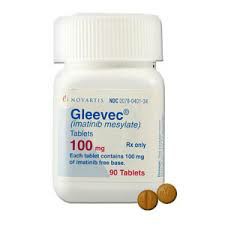
For patients who have undergone surgical resection but are at high risk of recurrenceGIST, imatinib is widely used as postoperative adjuvant therapy to effectively reduce the risk of recurrence. The study results show that three years of postoperative imatinib treatment can significantly improve the patient's recurrence-free survival rate compared with one year or no adjuvant treatment.
Significant reduction in recurrence rate: Clinical studies have found that patients with GIST who receive postoperative adjuvant therapy have a significantly reduced risk of recurrence, especially for those patients with high-risk characteristics (such as large tumor size, special location, or active division).
Prolonged survival: Adjuvant therapy can not only reduce the risk of recurrence, but also effectively prolong the patient's overall survival (OS). Particularly for high-risk patients, a three-year course of imatinib after surgery was significantly more effective than just one year of adjuvant therapy.
3. Long-term survival hope brought by imatinib
The widespread application of imatinib has significantly improved the long-term survival rate of GIST patients. In the past, patients with untreated GIST tended to have a poor prognosis, with an average survival period of only 12-15 months. However, since imatinib was widely used as first-line treatment, the survival of many patients has been significantly prolonged.
Survival of more than ten years: According to data from multiple long-term follow-up studies, some GIST patients have survived for more than 10 years after receiving imatinib treatment. This data fully proves the excellent efficacy of imatinib in controlling the disease and prolonging the survival of patients.
Resistance management: Although imatinib is effective in most GIST patients, some patients may develop resistance after several years of treatment. For these patients, doctors may adopt strategies such as increasing the dose of imatinib and using other targeted drugs such as sunitinib or regorafenib as second-line or third-line treatment.
4. Management of side effects of imatinib and the impact of genetic mutations on efficacy
The side effects of imatinib are relatively mild and can be tolerated by most patients. Common side effects include gastrointestinal upset, swelling, fatigue and rash. Doctors will adjust the dosage or take symptomatic treatment to alleviate these side effects according to the patient's specific situation to ensure that the patient can successfully receive treatment.
In addition, there are certain differences in the efficacy of imatinib in patients with different types of GIST, which is mainly related to the type of genetic mutation in the tumor. Therefore, GIST patients usually undergo genetic testing before receiving treatment to help doctors develop the best treatment plan. The efficacy of imatinib may be more significant in patients with certain types of genetic mutations.
In summary, imatinib has demonstrated excellent efficacy in the treatment of gastrointestinal stromal tumors (GIST). It can not only significantly delay disease progression, improve progression-free survival and overall survival rate, but also has relatively mild side effects. Although some patients may develop drug resistance, their survival and quality of life can still be significantly improved through genetic testing, dose adjustment, or the use of second-line treatment drugs. The application of imatinib undoubtedly brings new treatment hope to GIST patients and changes the treatment landscape of this rare tumor.
[ 免责声明 ] 本页面内容来自公开渠道(如FDA官网、Drugs官网、原研药厂官网等),仅供持有医疗专业资质的人员用于医学药学研究参考,不构成任何治疗建议或药品推荐。所涉药品可能未在中国大陆获批上市,不适用于中国境内销售和使用。如需治疗,请咨询正规医疗机构。本站不提供药品销售或代购服务。


