
.jpeg)
What does erdafitinib mainly treat and how to use it?
Erdafitinib (Erdafitinib), as an innovative targeted therapy drug, has demonstrated significant clinical effects in the field of tumor treatment, especially in the treatment of locally advanced or metastatic urothelial carcinoma (mUC). This article will focus on the indications, usage, and therapeutic implications of erdafitinib for specific patient groups.
Erdafitinib is mainly used to treat adult patients with locally advanced or metastatic urothelial carcinoma who have susceptibilityFGFR gene alterations. These patients have disease that has progressed on or after at least one prior systemic therapy, making erdafitinib a new option for their treatment. By specifically inhibiting the activity of FGFR (fibroblast growth factor receptor), erdafitinib can block the growth signals of tumor cells, thereby inhibiting tumor growth and spread.
The use of erdafitinib must be strictly followed by medical instructions to ensure the best therapeutic effect and safety. The following are general usage guidelines:
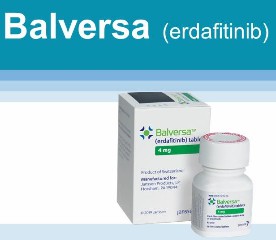
1. Dosage and administration: Erdafitinib is usually administered orally, and the initial dose is usually 8 mg once daily. On days 14 to 21 after the start of treatment, doctors will evaluate whether to increase the dose to 9 mg based on the patient's serum phosphorus level and tolerance. Patients should swallow the tablet whole on an empty stomach or with food to ensure absorption of the drug in the body.
2. Monitoring and adjustment: During the treatment process, patients should go to the hospital regularly for review and monitoring, including blood tests, liver function and kidney function tests, etc. The doctor will adjust the dose or treatment plan based on the patient's response and efficacy. It is important to note that erdafitinib may cause side effects such as hyperphosphatemia, so monitoring of blood phosphate levels is particularly important.
3. Note: When using erdafitinib, patients should inform their doctor of other drugs they are taking, including prescription drugs, over-the-counter drugs, and supplements, to avoid drug interactions. At the same time, patients should pay close attention to their own conditions and communicate with their doctors in time if they experience adverse reactions such as nausea, vomiting, diarrhea, fatigue, etc.
In conclusion, erdafitinib offers new therapeutic hope for patients with locally advanced or metastatic urothelial carcinoma, especially those with susceptibleFGFR gene alterations who have failed previous treatments. By precisely inhibiting the growth signals of tumor cells, erdafitinib can effectively control the growth and spread of tumors. However, correct use and close monitoring are crucial to ensure treatment effectiveness and patient safety. Therefore, patients should strictly follow medical instructions and maintain close communication with their doctors during treatment.
[ 免责声明 ] 本页面内容来自公开渠道(如FDA官网、Drugs官网、原研药厂官网等),仅供持有医疗专业资质的人员用于医学药学研究参考,不构成任何治疗建议或药品推荐。所涉药品可能未在中国大陆获批上市,不适用于中国境内销售和使用。如需治疗,请咨询正规医疗机构。本站不提供药品销售或代购服务。


